
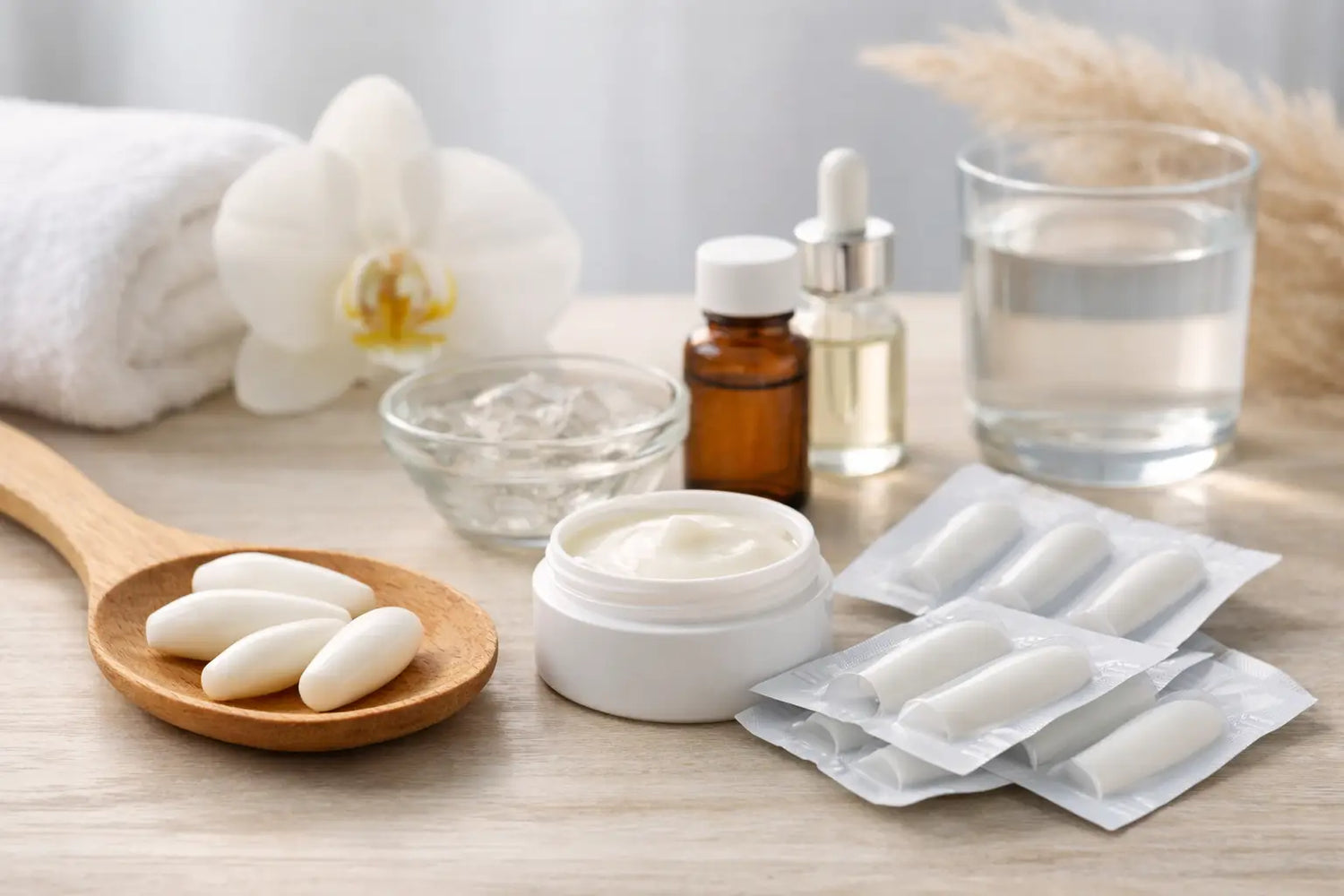
Vaginal dryness can make everyday things feel unexpectedly difficult: sitting comfortably, exercising, sleeping, or enjoying intimacy without bracing for discomfort. If you are wondering, are hormone free suppositories effective, the honest answer is that they can be very helpful for some forms of dryness and irritation - but their results depend on what is causing your symptoms and what the product is designed to do.
Hormone-free vaginal suppositories are not a replacement for every treatment, and they are not meant to be. They offer a non-hormonal option for women who prefer to avoid hormones, cannot use them, or would simply like supportive moisture and comfort as part of their intimate wellness routine.
Are hormone free suppositories effective for vaginal dryness?
For many women, hormone-free suppositories can help ease dryness, friction and the feeling of delicate or irritated vaginal tissue. They are commonly used to provide ongoing internal moisture, rather than the short-lived slipperiness of a lubricant used immediately before sex.
Their effectiveness varies. If dryness is mild, linked to temporary hormonal changes, stress, certain medications, dehydration, childbirth, breastfeeding or irritation from fragranced products, a gentle moisturising suppository may provide welcome relief. Regular use can help the vaginal area feel more comfortable, particularly when dryness is affecting day-to-day confidence or intimacy.
For symptoms associated with genitourinary syndrome of menopause, formerly often called vaginal atrophy, hormone-free options may still support comfort. However, they may not change the underlying thinning of vaginal tissue as consistently as local vaginal oestrogen can. This does not make a hormone-free choice ineffective. It simply means it is best viewed as a valuable comfort measure, with realistic expectations and appropriate medical support where needed.
What hormone-free suppositories can and cannot do
A well-formulated suppository melts or dissolves inside the vagina, delivering ingredients that coat and moisturise the tissue. Depending on its formulation, it may help reduce the dry, tight, itchy or sore sensation that can occur when natural lubrication is reduced.
Some products include soothing oils, fatty acids or moisture-supporting ingredients. Others are designed to support the vaginal environment while offering a protective barrier against friction. A product such as Hygeena vaginal suppositories may be considered by women seeking hormone-free support for vaginal dryness and tissue comfort, particularly as part of a consistent self-care routine.
What these products cannot do is diagnose the cause of your discomfort. Burning, itching, unusual discharge, odour, pelvic pain, bleeding after sex or recurrent urinary symptoms can have causes beyond simple dryness. Thrush, bacterial vaginosis, skin conditions, urinary tract infections and sexually transmitted infections require proper assessment rather than self-treatment with a moisturising product.
Hormone-free suppositories versus lubricants and vaginal oestrogen
It helps to understand the different roles these options can play. A lubricant is generally used just before sexual activity to reduce friction in the moment. A vaginal moisturiser or suppository is used more regularly, often several times a week or according to the product directions, to support comfort between intimate moments.
Local vaginal oestrogen is a medical treatment that can improve menopausal vaginal tissue changes for many women. It is low-dose, acts mainly locally and is suitable for many people, but it is not the right choice for everyone. Women with a history of hormone-sensitive cancer, unexplained vaginal bleeding, or complex medical circumstances should discuss all options with their GP or relevant specialist.
Hormone-free suppositories can be particularly appealing when you want a non-hormonal approach, have been advised to avoid oestrogen, or are starting with gentle symptom support. Some women use a moisturising suppository alongside other clinician-recommended treatments. The right approach is personal, not one-size-fits-all.
Choosing a suppository with care
The vaginal area is sensitive, especially during perimenopause and menopause, when lower oestrogen can make tissue more fragile. Choosing a product made specifically for vaginal use matters. Body creams, essential oils and fragranced products are not automatically suitable internally and can worsen irritation.
Look closely at the ingredients and instructions. If you know you are sensitive to particular oils, botanical extracts, preservatives or fragrances, choose accordingly. Avoid using a product if its packaging is damaged, it is past its expiry date, or you are unsure whether it is intended for internal vaginal use.
Comfort can also depend on consistency. Some suppositories may leave a small amount of residue as they melt, so using one before bed and wearing a breathable liner can feel more practical. This is usually normal, but significant burning, swelling, rash or increasing discomfort is not. Stop using the product and seek advice if those symptoms occur.
How to get the best result from a hormone-free option
Regular use usually matters more than expecting instant change after one application. Follow the product directions, allowing enough time to notice whether your symptoms are improving. A moisturising routine may be especially useful during hormonal transition, when dryness can fluctuate from week to week.
Gentle external care supports the same goal. Wash the vulva with water or a mild, fragrance-free cleanser if needed, but avoid douching or washing inside the vagina. Choose breathable underwear, change out of wet bathers or workout clothes promptly, and consider a lubricant during sex even if you use a vaginal suppository regularly.
If sex has become painful, do not feel you need to push through it. Pain can lead to muscle tension and more discomfort next time. Slowing down, using generous lubrication, communicating with a partner and seeking professional guidance can make a meaningful difference.
When dryness deserves a conversation with your GP
Vaginal dryness is common, but it should not be dismissed as something you simply have to tolerate. Book an appointment if symptoms persist despite a few weeks of appropriate self-care, interfere with sleep, exercise or intimacy, or keep returning.
Seek timely medical advice for unexpected bleeding, bleeding after sex, a new lump or sore, strong odour, coloured discharge, fever, pelvic pain, pain when urinating, or symptoms that begin after a new sexual partner. These signs need assessment before assuming dryness is the only issue.
A GP can help identify whether menopause-related changes, infection, dermatological conditions, medication side effects or another factor is contributing. They can also discuss hormone-free products, local oestrogen and other treatment options in the context of your individual health history.
A gentler path to intimate comfort
Hormone-free suppositories can be an effective source of moisture and comfort, especially when dryness is mild to moderate and there are no warning signs of another condition. They are often most helpful when used consistently, chosen carefully and paired with gentle intimate care.
Your comfort is worthy of attention, not embarrassment. Whether you choose a hormone-free option, medical treatment or a combination of both, the most supportive next step is the one that helps you feel informed, comfortable and at ease in your body.