When vaginal dryness starts to feel like more than dryness - burning, irritation, pain with intimacy, or a constant sense of fragility - many women begin searching for the best treatment for vaginal atrophy. What makes this condition so frustrating is that it can affect comfort, confidence and relationships all at once, yet it is still too often brushed aside as just part of ageing.
Vaginal atrophy, now often grouped under the broader term genitourinary syndrome of menopause, happens when oestrogen levels drop and the vaginal tissues become thinner, drier and less elastic. It is especially common during perimenopause and menopause, but it can also happen after childbirth, during breastfeeding, or after certain medical treatments. The right treatment depends on your symptoms, your health history and how comfortable you are with different options.
What is the best treatment for vaginal atrophy?
There is no single answer that suits every woman. For many, the best treatment for vaginal atrophy is the one that restores moisture, supports tissue comfort and fits safely into everyday life.
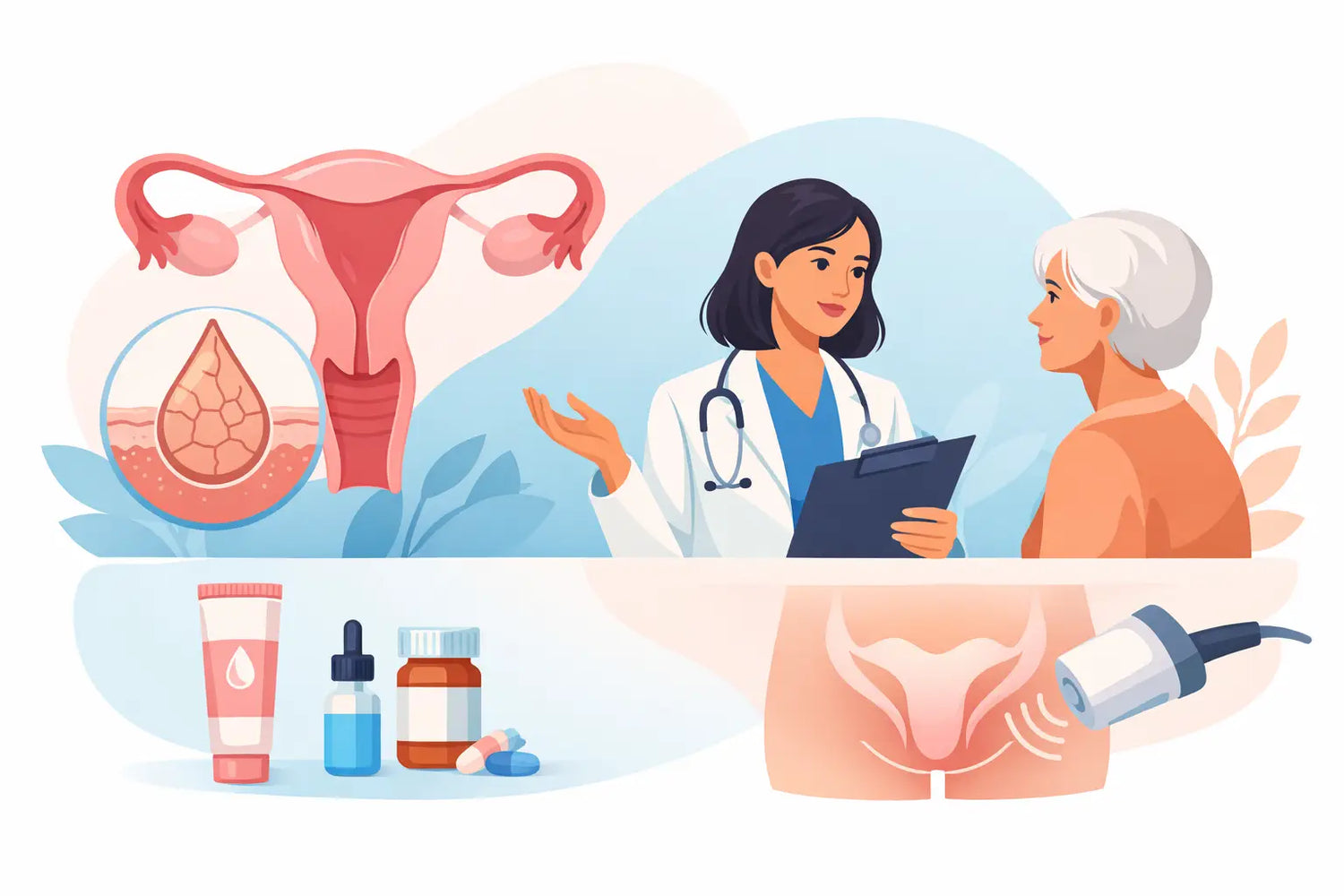
If symptoms are mild, regular use of a high-quality vaginal moisturiser or a hormone-free vaginal suppository may be enough to improve dryness and irritation. If symptoms are moderate to severe, especially when there is pain, tearing or urinary discomfort, a GP or menopause-focused clinician may recommend local vaginal oestrogen. This is often considered one of the most effective medical treatments because it targets the tissue changes directly.
That said, effectiveness is not the only factor that matters. Some women want a hormone-free option because of personal preference, previous health concerns, or because they are looking for gentle support before moving to prescription treatment. Others do best with a combined approach that includes medical care, intimate moisturising and lifestyle support.
Why treatment matters sooner rather than later
Vaginal atrophy is not just an inconvenience. Without treatment, symptoms can become more persistent over time because the underlying tissue changes continue. Dryness may lead to itching, soreness and discomfort during walking, exercise or sex. Some women also notice urinary urgency, recurrent urinary tract infections, or stinging when passing urine.
Early support can make a real difference. Well-hydrated tissue tends to be more comfortable, less prone to friction and easier to restore. This is one reason many women find that consistent care works better than waiting until symptoms become intense.
The main treatment options
Local vaginal oestrogen
For women who can use it, local vaginal oestrogen is commonly prescribed as a cream, tablet or pessary. It works by helping the vaginal lining become thicker, better lubricated and more resilient. Because it is applied locally, the dose is lower than systemic hormone therapy and is aimed at the vaginal tissues rather than the whole body.
This option is often highly effective for dryness, pain with intimacy and irritation. It can also help some urinary symptoms linked to menopause. The trade-off is that it is still a hormonal treatment, so it is not the preferred path for every woman. If you have a history of hormone-sensitive cancer or other relevant medical concerns, you need personalised medical advice.
Hormone-free vaginal moisturisers and suppositories
If you want a non-hormonal approach, vaginal moisturisers and suppositories can be very helpful. These are designed to support tissue hydration and comfort beyond the short-term slip that a lubricant gives. Used regularly, they may reduce dryness, tightness and everyday irritation.
This approach suits women with mild to moderate symptoms, women in early menopause, and women who prefer to avoid hormones where possible. Product quality matters here. A well-formulated suppository or moisturising treatment should be gentle, easy to use and supportive of delicate vaginal tissue rather than harsh or heavily fragranced.
At My Health Restore, this is where many women begin - looking for hormone-free support that feels restorative, practical and discreet.
Lubricants for intimacy
Lubricants are useful, but they are not the same as treatment. They reduce friction during sex and can make intimacy more comfortable in the moment, but they do not usually address the underlying tissue dryness between sexual activity.
For some women, a lubricant is enough when symptoms are occasional. For others, it works best as part of a broader plan alongside vaginal moisturising or medical treatment.
Pelvic floor and sexual wellness support
When vaginal atrophy has been going on for a while, the body can begin to anticipate discomfort. Pelvic floor tension, anxiety around intimacy and reduced arousal can all add to the problem. In these cases, pelvic health physiotherapy, gentle dilator therapy, or counselling support may help alongside physical treatment.
This does not mean symptoms are psychological. It means the tissues and the nervous system often need support together.
Best treatment for vaginal atrophy if you want to avoid hormones
If hormone-free care is your preference, the best place to start is usually a combination of consistent moisture support and friction reduction. A vaginal moisturiser or suppository used several times a week can help maintain hydration, while a gentle lubricant can protect comfort during intimacy.
It also helps to avoid products that can make dryness worse. Scented washes, harsh soaps, douches and heavily perfumed liners can all irritate already sensitive tissue. Many women do better when they simplify their intimate care routine and focus on barrier support rather than over-cleansing.
Hydration, stress management and overall wellbeing matter too, although they are supportive rather than stand-alone treatments. Good nutrition, adequate fluids and addressing sleep disruption during menopause can all play a role in how the body copes with dryness and irritation.
When natural support may not be enough
Natural and hormone-free options can be genuinely effective, but there are times when symptoms need stronger medical support. If sex is painful, the tissue bleeds easily, urinary symptoms are increasing, or dryness is affecting daily comfort, it is worth speaking with a healthcare professional.
There is no virtue in suffering through it. Some women feel they should keep trying to manage silently with over-the-counter products, especially if they are embarrassed. But persistent vaginal atrophy deserves proper care. A tailored treatment plan can be life-changing.
How to choose the right option for you
The best treatment is shaped by your stage of life, symptom severity and medical history. A woman in early perimenopause with mild dryness may do very well with hormone-free moisturising support alone. A postmenopausal woman with significant tissue thinning may get better relief from local vaginal oestrogen, possibly alongside moisturisers.
Your comfort with treatment matters as well. Some women want the most effective prescription option straight away. Others want to begin gently, monitor the response and only step up if needed. Both approaches are valid.
It can help to ask yourself a few practical questions. Are your symptoms occasional or constant? Is the main issue dryness, pain, urinary discomfort or all three? Do you want a hormone-free option first? Are you managing this on your own, or do you need clinical support now? These answers often make the next step clearer.
Small daily habits that support treatment
Even the best treatment for vaginal atrophy works better when everyday irritation is reduced. Breathable cotton underwear, avoiding unnecessary fragrance in intimate products, and using a moisturising treatment consistently rather than sporadically can all improve results.
Sexual activity, whether with a partner or through self-stimulation, may also help support blood flow to the tissues if it is comfortable to do so. If it is painful, though, forcing the issue tends to make things worse. Comfort first is the better rule.
When to seek medical advice
If you are unsure whether vaginal atrophy is the cause, or if symptoms came on suddenly, it is wise to get checked. Thrush, bacterial vaginosis, skin conditions and other gynaecological issues can overlap with dryness and irritation. You should also seek medical advice if you notice unexplained bleeding, recurrent urinary infections, or pain that does not improve with simple care.
You do not need to wait until symptoms are severe. Earlier guidance often means simpler treatment and faster relief.
Vaginal atrophy can feel deeply personal, but it is also very common and very treatable. The most helpful path is usually the one that matches your body, your values and the level of support you need right now. Relief often begins with one small decision - to stop putting up with discomfort and start caring for yourself with the same attention you would give any other part of your health.