Some menopause symptoms arrive quietly. A little more dryness, lighter sleep, skin that suddenly feels less settled. Others can be harder to ignore - hot flushes in meetings, discomfort during intimacy, irritation that seems to come from nowhere. For many women, hormone free menopause support feels like the right place to start, especially when the goal is relief that works with the body gently and consistently.
Not every woman wants hormone therapy, and not every symptom needs the same approach. That is where a more holistic view can be helpful. Menopause is not one single problem to fix. It is a transition that can affect intimate comfort, mood, energy, skin, sleep and confidence all at once. Support tends to work best when it matches what you are actually feeling, rather than promising one answer for everything.
What hormone free menopause support can look like
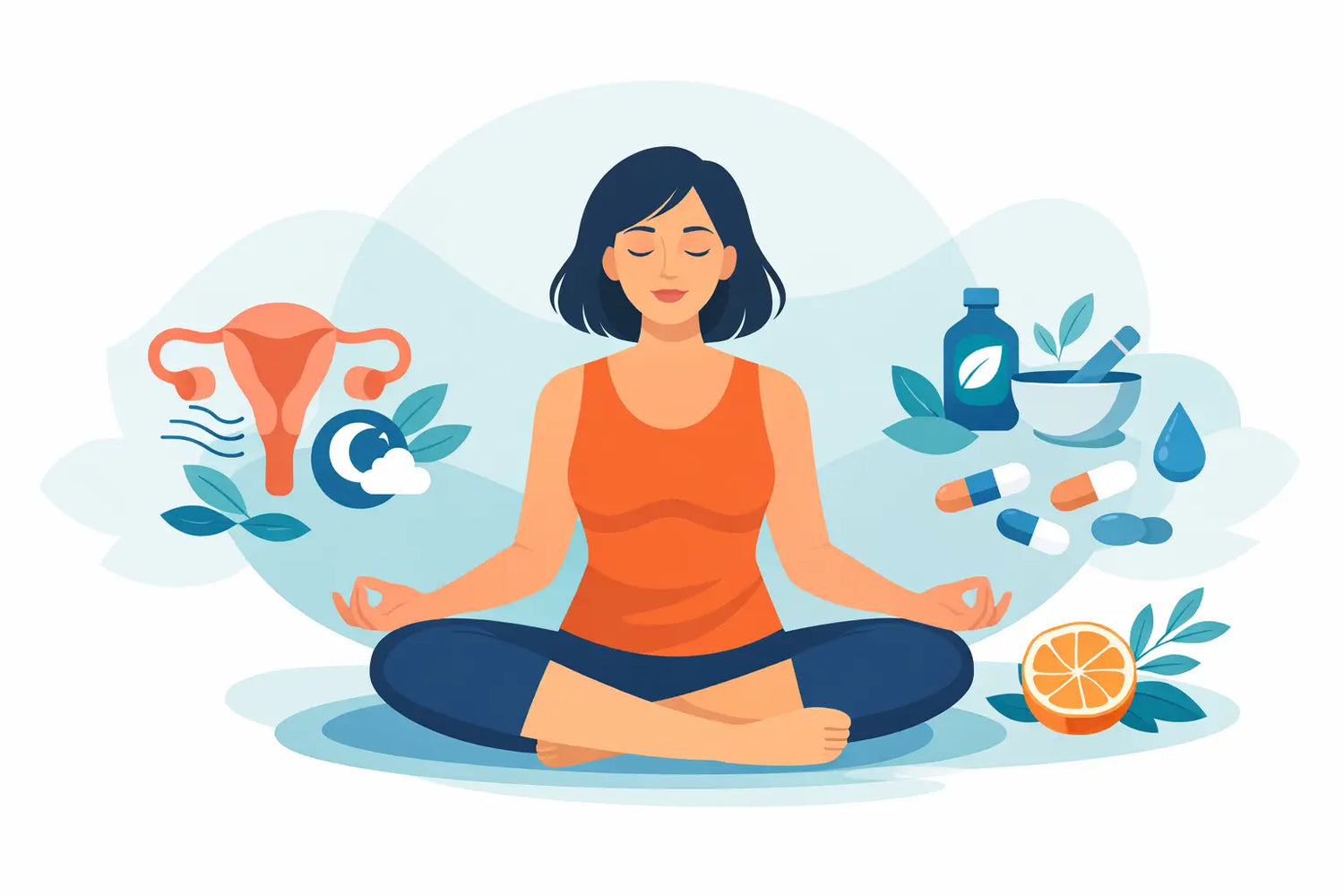
Hormone free menopause support usually focuses on symptom relief, tissue comfort, nourishment and daily habits that reduce stress on the body. That may include vaginal moisturising support for dryness, gentle intimate care, targeted supplements, skin support and lifestyle changes that help with temperature regulation, sleep and energy.
This approach can be especially valuable for women who cannot use hormones, prefer not to, or simply want to try non-hormonal options first. It can also sit alongside medical care. Natural support does not have to mean guesswork. The most useful options are usually those with a clear purpose - soothing dryness, supporting tissue repair, improving hydration, helping sleep or calming the nervous system.
Start with the symptom that is affecting you most
One reason menopause can feel overwhelming is that the symptoms often overlap. If your sleep is broken, your mood and energy can suffer. If vaginal dryness is left untreated, intimacy may become uncomfortable and daily irritation can build. If hot flushes are frequent, stress can make them feel worse.
Instead of trying to overhaul everything at once, start with the issue that is most disruptive. For many women, intimate dryness and irritation are among the most immediate quality-of-life concerns, even if they are not always talked about openly.
Vaginal dryness and tissue discomfort
Declining oestrogen can leave vaginal tissue thinner, drier and more fragile. This may show up as itching, burning, sensitivity, discomfort during intimacy or a general feeling of dryness that was never there before. A hormone free approach here often centres on regular vaginal moisturising and products designed to support tissue condition rather than simply mask discomfort for a few hours.
This is where targeted intimate care matters. Products such as vaginal suppositories formulated to hydrate and support tissue repair can be a practical part of a non-hormonal routine. The key is choosing something designed for ongoing comfort and sensitive tissue, rather than harsh washes or fragranced products that can add to irritation.
Sleep, flushes and feeling out of balance
Hot flushes and night sweats can be difficult because they do not just affect one moment. They can chip away at sleep, concentration and patience across the whole day. Some women find support through breathable clothing, a cooler bedroom, reducing alcohol and spicy foods, and improving general stress management. Others benefit from supplements aimed at nervous system support or overall menopausal wellbeing.
There is no universal trigger list. Some women react strongly to caffeine, while others do not. It helps to notice patterns without becoming overly restrictive. The aim is to create steadier days and better nights, not add pressure.
Skin changes during menopause
Menopause can also affect the skin. Lower hormone levels may contribute to dryness, reduced firmness and a more reactive complexion. That is why hormone free menopause support often extends beyond intimate care. Nourishing skincare, barrier-supportive ingredients and hydration can help skin feel more comfortable and resilient.
This matters because wellbeing is rarely split into neat categories. When your skin, intimate comfort and energy all feel compromised at once, a broader routine can feel more supportive than treating each concern in isolation.
Why gentle, consistent care often works better than quick fixes
Menopause symptoms can make you want immediate relief, which is understandable. But many non-hormonal strategies work best when used consistently. Vaginal dryness, for example, usually responds better to regular care than occasional use when symptoms flare. The same goes for skin support, hydration, sleep habits and nutritional routines.
Quick fixes can also be misleading. A product may feel soothing in the moment but do very little to support ongoing tissue comfort or restoration. Likewise, a supplement may sound promising but be too broad or too low-quality to make a real difference. When building a hormone free routine, quality and suitability matter more than doing everything at once.
A practical way to build your routine
The most effective routine is usually a simple one you can maintain. Begin with one intimate support product if dryness or irritation is present, one area of lifestyle support such as sleep or stress, and one nourishing daily practice such as hydration, movement or skin care.
For example, a woman dealing with vaginal dryness, poor sleep and dull skin might focus on regular non-hormonal vaginal moisture support, a calming evening routine and a richer skincare approach that supports the skin barrier. Another woman may be less affected by dryness but more by flushes and fatigue, so her routine might lean more heavily on cooling strategies, gentle movement and nutritional support.
That is the important trade-off to understand. Hormone free care can be highly effective for comfort and symptom support, but it often works best when it is personalised. The right routine for your friend may not be the right one for you.
When natural support is enough, and when to seek extra help
Many menopause symptoms can be managed well with non-hormonal care, especially when they are mild to moderate and identified early. But there are times when extra medical support is worth seeking. If vaginal pain is persistent, bleeding changes are unusual, sleep loss is severe, or symptoms are affecting your mental health or daily functioning, speak with a qualified health professional.
Choosing hormone free support does not mean avoiding professional care. It means understanding your options and making decisions that suit your body, health history and preferences. For some women, natural approaches are enough. For others, they are one part of a bigger plan.
Choosing products with confidence
The menopause market can be noisy. Packaging may promise balance, relief and rejuvenation all at once, which makes it harder to tell what is actually useful. A better approach is to look for products that are specific about what they support.
If you are managing intimate dryness, prioritise products made for vaginal tissue comfort rather than generic moisturisers. If your skin feels drier and more fragile, choose formulations focused on nourishment and barrier support. If you are exploring supplements, think about the outcome you want most - sleep, calm, energy or overall menopausal comfort - and choose accordingly.
For Australian women who want a more natural, discreet and supportive way to care for menopause symptoms, a curated wellness approach can make the process feel far less overwhelming. That is part of what makes specialist retailers such as My Health Restore helpful - the focus is not only on products, but on matching solutions to the concerns women are actually experiencing.
Hormone free menopause support is also about confidence
There is a practical side to menopause support, but there is also an emotional one. Dryness, discomfort and body changes can affect how you feel in your own skin. When symptoms are under-addressed, women often put up with more than they need to.
Good support should reduce that sense of isolation. It should remind you that intimate dryness is common, skin changes are common, fluctuating comfort is common - and none of it means you have to simply tolerate it. Non-hormonal care can be a way to restore comfort gently while keeping you connected to your body rather than frustrated by it.
If you are looking for hormone free menopause support, start with what feels most pressing and build from there. Relief does not have to be dramatic to be meaningful. Sometimes it begins with better sleep, less irritation, more comfortable intimacy or skin that feels like your own again. Small improvements, given time and consistency, can change the way this stage of life feels day to day.