
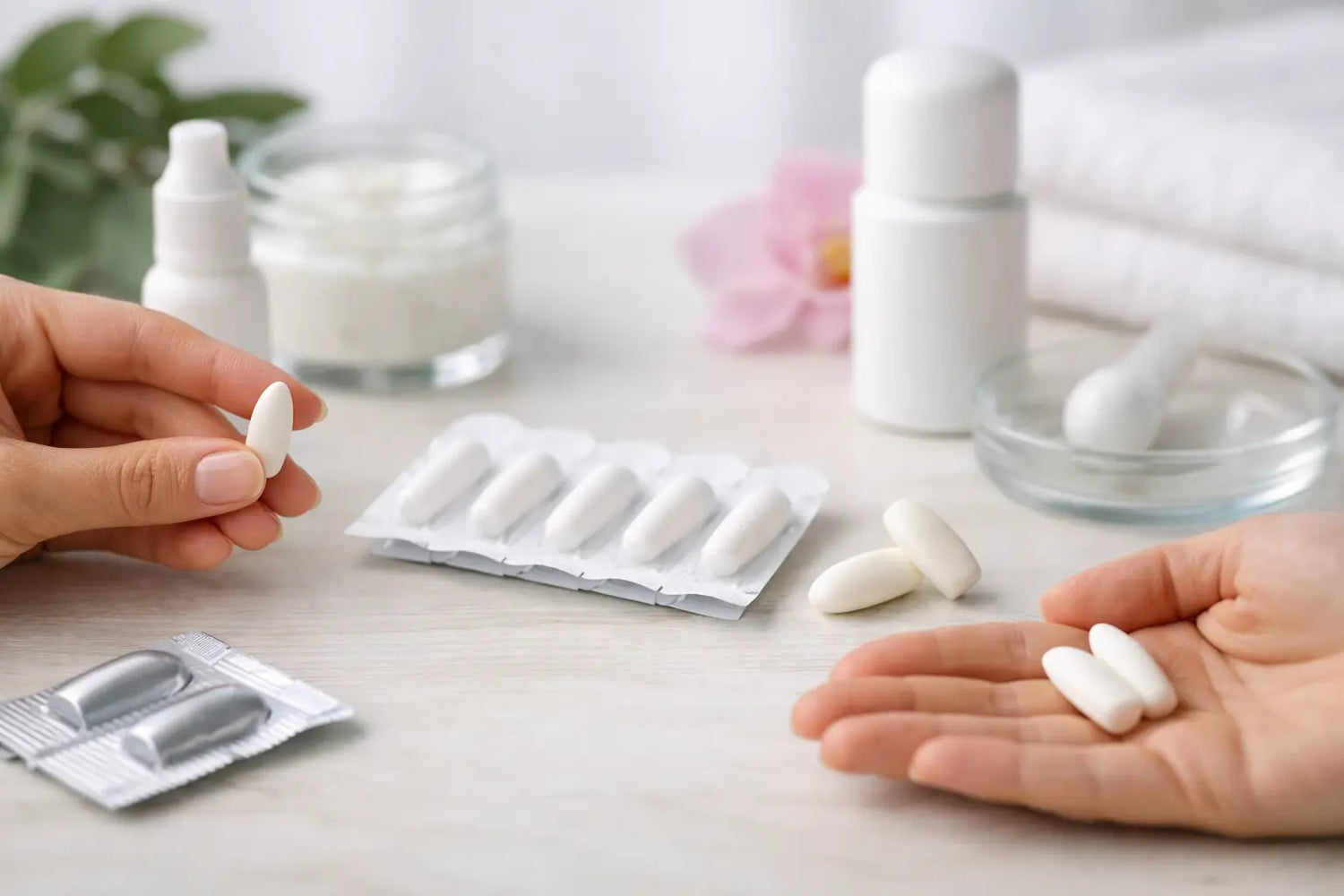
Vaginal dryness can affect comfort in ways that are easy to minimise and hard to talk about: irritation when walking, soreness during intimacy, or a persistent feeling that something is not quite right. Knowing how to choose vaginal suppositories gives you a more confident starting point, especially if you want a local, hormone-free option that supports vaginal moisture and comfort.
Vaginal suppositories are small, insertable products designed to melt or dissolve inside the vagina. They are not all made for the same purpose, though. The right choice depends on your symptoms, the ingredients, your health history and whether the product is suited to ongoing support or a short-term concern.
Start with the symptom you want to address
The word “suppository” can cover several types of product. Some are formulated to support dryness and delicate vaginal tissue, while others may be marketed for concerns such as thrush, odour or vaginal flora. Choosing based on the concern, rather than simply selecting the first product labelled “intimate care”, matters.
For vaginal dryness, tightness, friction or discomfort during sex, look for a moisturising suppository intended to lubricate and condition vaginal tissue. These symptoms are common around perimenopause and menopause, when lower oestrogen levels can make the vaginal lining thinner, less elastic and less able to retain moisture. They can also occur after childbirth, while breastfeeding, with certain medicines or during periods of stress.
If you have thick, cottage cheese-like discharge, intense itching, a strong or unusual odour, pelvic pain, bleeding, fever, or burning when urinating, do not assume dryness is the whole story. These symptoms can have different causes, including infection or skin conditions, and need advice from a GP, sexual health clinic or qualified health professional before you self-treat.
How to choose vaginal suppositories for dryness
A product for dryness should prioritise comfort and tissue support rather than harsh cleansing or masking fragrance. Read the label carefully and look for a clear explanation of what the suppository is designed to do, how often it is used and who should avoid it.
For many women, a hormone-free formula is an appealing choice. It may be particularly relevant if you prefer non-hormonal intimate care, cannot use hormone therapy, or would like to try a local moisturising approach first. However, hormone-free does not automatically mean suitable for every person. Natural ingredients can still cause sensitivity, particularly if you have allergies, eczema, vulval skin conditions or a history of reactions to intimate products.
Consider these practical details as you compare options:
- Ingredients: Choose formulas with ingredients selected for moisture, comfort and gentle conditioning. Avoid products with fragrances, essential oils or unnecessary additives if you are prone to irritation.
- Base and texture: Suppositories may use different bases, such as oils or butters. An oil-based product can feel richly moisturising, but it may not be compatible with latex condoms or diaphragms. Check the product advice if barrier contraception is part of your routine.
- Use instructions: Some are intended for daily short-term use, while others are used several times a week as maintenance. A realistic routine is more likely to provide consistent support.
- Packaging: Individually sealed doses can be helpful for hygiene, travel and discretion. Storage instructions also matter, particularly during an Australian summer when heat can soften oil-based products.
Be cautious with “detox” or fragranced claims
The vagina has its own self-cleaning system. It does not need detoxing, perfumed products or aggressive cleansing to be healthy. Products that promise to cleanse internally, tighten the vagina, remove toxins or create a strong scent can disrupt comfort and may irritate sensitive tissue.
A gentle approach is usually the more supportive one. If odour is new, persistent or accompanied by discharge, itching or pain, it is better to seek clinical advice than to cover it with fragranced products.
Think about your stage of life and health history
Menopause-related vaginal changes are not something you simply have to tolerate. Vaginal moisturisers and suppositories can be one part of a broader comfort plan, alongside suitable lubricants for intimacy, avoiding irritants and discussing persistent symptoms with your GP.
If symptoms are mild and occasional, you may prefer to use a suppository as needed or as a regular maintenance treatment according to the label. If dryness is affecting sleep, exercise, relationships or daily comfort, give yourself permission to ask for more support. Your GP can discuss causes, assess whether vaginal oestrogen is appropriate, and rule out other conditions that can feel similar.
Pregnancy, breastfeeding, a history of hormone-sensitive cancer, immune conditions, recurrent infections and recent gynaecological procedures all warrant extra care. A pharmacist or GP can help you assess whether a specific product is appropriate. This is also sensible if you are taking medicines or using other vaginal treatments, as combining products without guidance can increase irritation or make it difficult to tell what is helping.
Know the difference between moisturisers, lubricants and treatments
These products can complement one another, but they do different jobs. A vaginal moisturising suppository is generally used to support moisture within the vagina over time. A lubricant is applied before sex to reduce friction in the moment. Neither should be assumed to treat an infection.
If you are using a prescribed treatment for thrush, bacterial vaginosis or another condition, use it exactly as directed. Ask a pharmacist or GP before adding a moisturising suppository at the same time. Spacing products apart may be recommended, but the right approach depends on the treatment and your symptoms.
It can also help to avoid common irritants while you work out what suits you. Wash the vulva, the external area, with water or a gentle fragrance-free cleanser if needed, rather than washing inside the vagina. Breathable underwear, changing out of wet swimwear promptly and avoiding heavily scented pads or liners may reduce unnecessary irritation for some women.
Use it in a way that feels comfortable
Most vaginal suppositories are easiest to insert before bed, giving the product time to melt or dissolve while you are lying down. Wash your hands before and after use, get into a comfortable position, and insert the suppository gently only as far as is comfortable. A panty liner can be useful, as a small amount of product may leak overnight or the following day.
Do not push through pain. If insertion is uncomfortable because of significant dryness, tightness or soreness, pause and speak with a health professional. Persistent pain with penetration is not something to dismiss, and effective support is available.
Follow the recommended dose rather than using more in the hope of faster relief. More product can sometimes mean more leakage or irritation, not better results. Give a suitable moisturising product the time advised on its instructions, while paying attention to how your body responds.
When to stop and seek medical advice
Discontinue a suppository and seek advice if you develop burning, swelling, rash, worsening itching or new pain. Arrange an appointment promptly for unexplained vaginal bleeding, sores, pelvic pain, a strong fishy smell, green or yellow discharge, fever, or urinary symptoms.
You should also check in with your GP if dryness does not improve after a reasonable trial, keeps returning, or is affecting your quality of life. Intimate discomfort deserves the same thoughtful care as any other health concern. Choosing a gentle, well-suited suppository can be a meaningful step towards feeling more comfortable in your body, but ongoing symptoms are always worth discussing.