
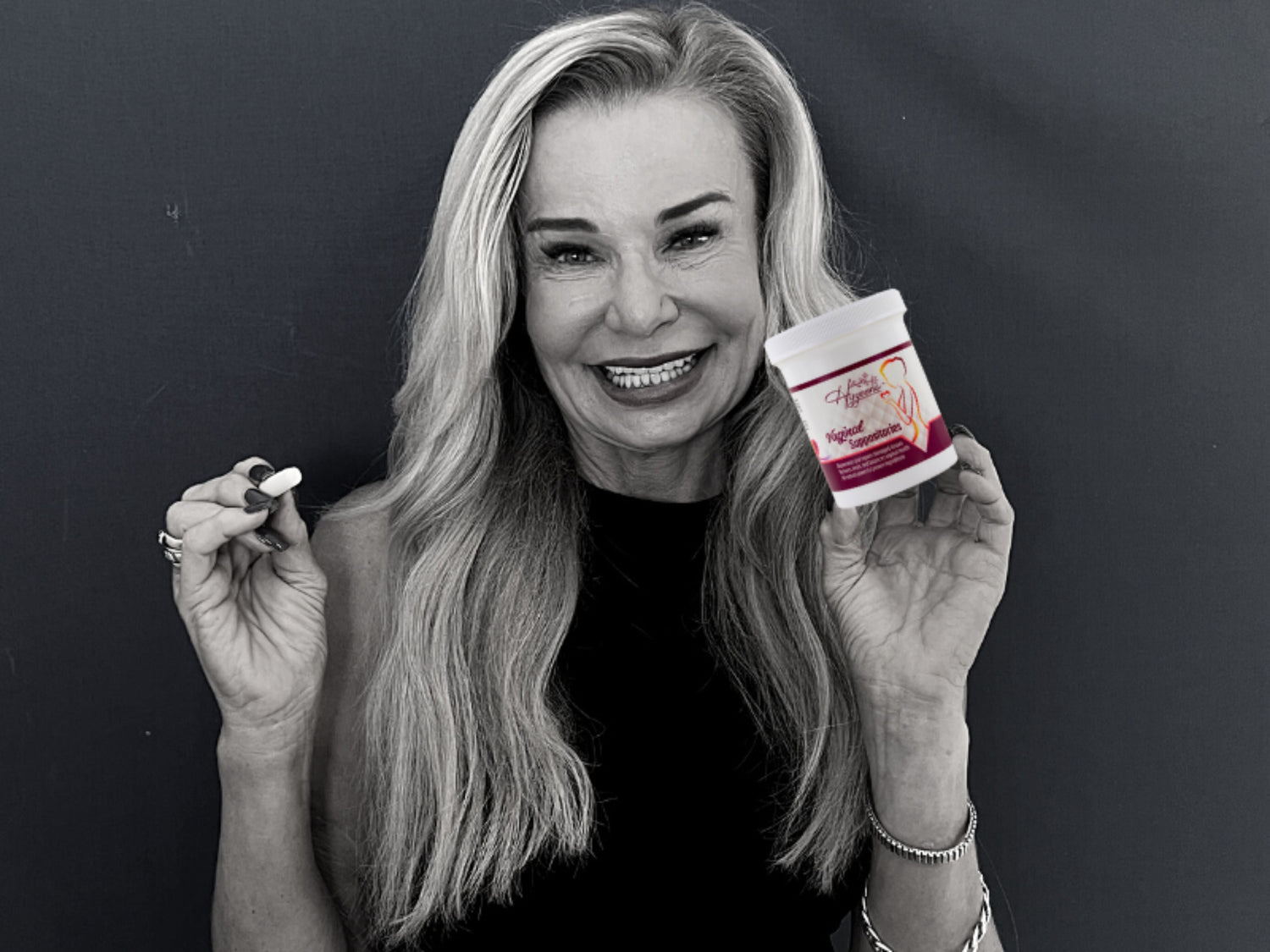
Vaginal atrophy — often called Genitourinary Syndrome of Menopause (GSM) — is far more common than many women realise. As estrogen levels decline, the vaginal tissues can become thinner, drier, and less elastic. While this is a natural biological change, living with the symptoms is not something anyone should feel they must “put up with.”
Untreated vaginal atrophy can lead to persistent dryness, itching, burning, and discomfort during daily activities. Many women also experience pain with intimacy, which can affect relationships and emotional wellbeing. Addressing these symptoms early helps restore comfort and confidence.
Because estrogen also affects the urinary tract, vaginal atrophy can contribute to urinary urgency, frequency, and recurrent infections. Treating the underlying tissue changes can help reduce these issues and support overall pelvic health.
When the tissues remain dry and fragile for long periods, micro‑tears and inflammation become more common. Treatment helps maintain healthy blood flow, elasticity, and natural lubrication — all essential for long‑term vaginal wellness.
Vaginal atrophy is incredibly common — but it is also highly treatable. Seeking support is an act of self‑care, not a sign of weakness.