
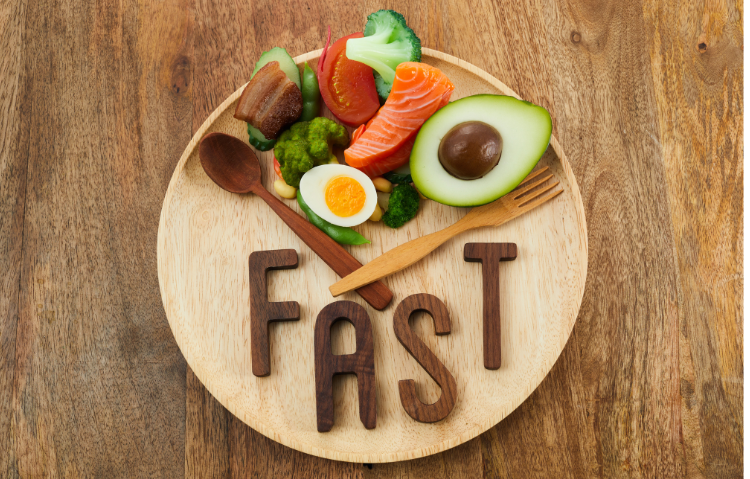
Menopause brings a cascade of hormonal shifts that can influence everything from metabolism to mood. It’s no surprise that many women look into fasting, especially intermittent fasting as a way to regain a sense of balance. While fasting can offer meaningful benefits, it’s worth approaching it with a thoughtful, body-aware mindset.
1. Supporting Metabolic Health
As estrogen declines, insulin sensitivity often drops too. Some women find that structured fasting windows help stabilize blood sugar levels and reduce cravings, which can make weight management more achievable.
2. Reducing Inflammation
Fasting may help lower systemic inflammation, which is linked to joint pain, fatigue, fluid retention and other symptoms that can flare during menopause.
3. Boosting Energy and Mental Clarity
Many women report improved focus and more energy once their body adapts to a fasting rhythm. This can feel like a welcome counterbalance to the brain fog that sometimes accompanies hormonal changes.
4. Encouraging a Healthier Relationship with Hunger
Fasting can help recalibrate appetite cues, especially if emotional or stress-related eating has crept in during peri-menopause.
What to Be Cautious About
1. Hormone Sensitivity
Some women are more sensitive to calorie restriction during menopause. If fasting feels stressful, disrupts sleep, or worsens mood swings, it may not be the right approach or the fasting window may need adjusting.
2. Muscle Loss
Menopause accelerates muscle loss, and fasting without adequate protein and strength training can make this worse. Prioritizing resistance exercise and balanced meals during eating windows is essential.
3. Thyroid Considerations
Women with thyroid concerns may find that aggressive fasting increases fatigue or slows metabolism further. A gentler approach is often better.
4. Sleep Disruptions
If fasting leads to late-night hunger or early-morning cortisol spikes, it can interfere with sleep - a key pillar of hormonal health.
5. Not One-Size-Fits-All
Every menopausal journey is unique. What feels energizing for one woman may feel depleting for another. Listening to your body is more important than sticking to a rigid fasting schedule.
If fasting feels appealing, many women begin with a simple 12:12 or 14:10 schedule—nothing extreme, just a structured rhythm. Pair it with nourishing meals, hydration, and movement, and adjust based on how your body responds.