
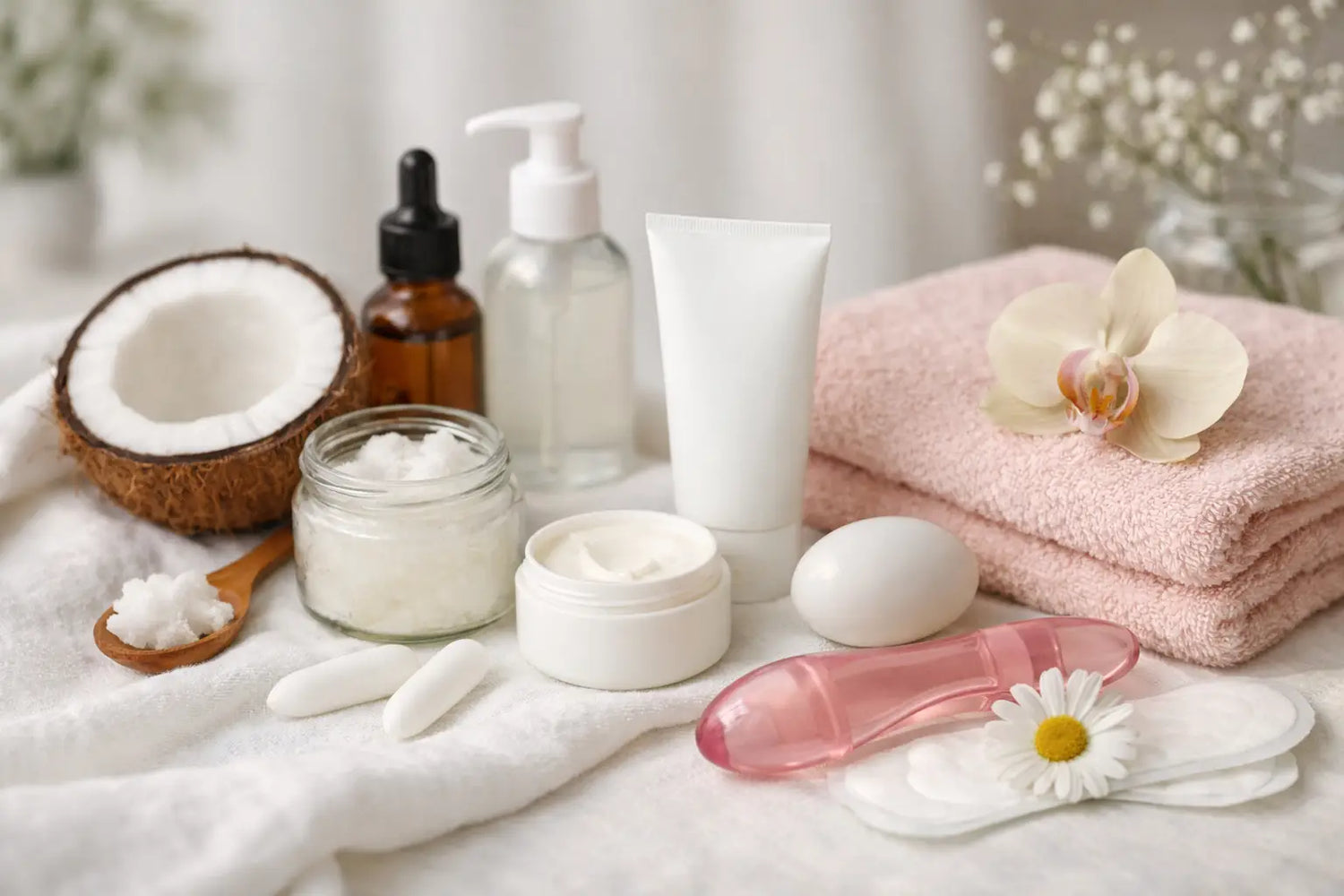
Vaginal discomfort rarely arrives as one neat symptom. It can feel like dryness during the day, irritation after exercise, stinging during intimacy, or that persistent awareness that something simply feels off. When women search for the best products for vaginal comfort, they are usually looking for more than quick relief - they want something gentle, effective, and supportive of long-term wellbeing.
That matters because vaginal comfort is closely tied to stage of life, hormone changes, skin sensitivity, intimate hygiene habits, and even the fabrics and products used every day. What helps one woman feel restored may not suit another, especially during perimenopause, menopause, postpartum recovery, or times of heightened sensitivity. The most helpful approach is to choose products based on the kind of discomfort you are experiencing, rather than buying whatever claims to be “freshening” or “soothing”.
How to choose the best products for vaginal comfort
The first question is whether you are dealing with internal dryness, external irritation, or friction-related discomfort. These may overlap, but they often need different kinds of support. Internal dryness usually responds best to a vaginal moisturising product designed to hydrate delicate tissue over time. External irritation may be better managed with a gentle, non-stripping wash or soothing body care product used around, not inside, the vulval area. Friction discomfort during intimacy often calls for a lubricant, while daily chafing may improve with breathable underwear and softer pads.
Ingredients matter as much as product type. Many women do best with fragrance-free or low-irritant formulations, especially if they are already prone to sensitivity. Hormone-free options can be especially appealing for women who want a non-hormonal approach or prefer to start with supportive care before discussing other treatments with their health professional. Texture matters too. Some products feel comforting at night but too rich during the day, while others are light but need more frequent use.
There is also a practical side. The best product is not the one with the longest ingredient list or the most polished packaging. It is the one you will actually use consistently, without discomfort, and that fits your life.
The best products for vaginal comfort by concern
Vaginal moisturisers for ongoing dryness
For persistent dryness, a vaginal moisturiser is often one of the most useful starting points. This is different from a lubricant. A moisturiser is designed to support hydration within vaginal tissue and is usually used regularly, rather than only before intimacy. Women experiencing menopause-related dryness or vaginal atrophy often find that a consistent routine makes more difference than occasional use.
This is where a targeted, hormone-free vaginal suppository can be especially helpful. Products in this category are designed to support moisture and tissue comfort in a more sustained way. If dryness is linked to hormonal transition, delicate tissue, or recurring discomfort, a restorative suppository may offer a calmer and more nurturing option than heavily perfumed creams or short-lived gels.
That said, comfort levels vary. Some women prefer a suppository format used at night, while others want a gel or cream. If you are new to intimate moisturising products, starting with a simple, well-tolerated formula and giving it time can be more useful than switching too quickly.
Lubricants for friction and intimacy discomfort
If discomfort is most noticeable during intimacy, a lubricant is usually the better fit. This product is designed to reduce friction in the moment, rather than improve background dryness over days or weeks. A good lubricant should feel comfortable, not sticky, and should not leave tissue feeling irritated afterwards.
Water-based options are commonly chosen because they are easy to use and generally well tolerated. However, some women find they dry out too quickly and need reapplication. Others prefer richer formulas if sensitivity is severe. The trade-off is that heavier products can feel less natural for some users. If you have a history of irritation, it is worth avoiding products with added fragrance, warming agents, or unnecessary flavouring.
Gentle intimate cleansers for external comfort
One of the most overlooked causes of discomfort is over-cleansing. The vulval area does not benefit from harsh soaps, strong fragrance, or repeated washing in the name of feeling clean. In fact, these habits can leave skin feeling tighter, drier, and more irritated.
A gentle intimate cleanser, or even a very mild, skin-friendly wash used externally, can help maintain comfort without stripping the skin barrier. The goal is not to create a perfumed feeling. It is to support cleanliness while respecting the natural sensitivity of the area. If you are already dealing with burning or dryness, less is often more.
This is also where broader skin health matters. Women with sensitive intimate skin may benefit from the same principle used in facial skincare - barrier support, minimal irritation, and thoughtful ingredients.
Pads and period care for sensitive skin
For some women, discomfort flares during menstruation or with daily liner use. Pads that feel dry, rough, heavily scented, or poorly breathable can contribute to irritation, heat, and friction. If you notice itching or soreness during your period, your period care products are worth reviewing.
Softer, breathable pads without strong fragrance are generally a better option for sensitive skin. The same goes for changing them regularly, especially in warm weather or on active days. This may sound basic, but small shifts in everyday products often make a noticeable difference when skin is already vulnerable.
Supportive body care for surrounding skin
Vaginal comfort is not only about internal symptoms. The surrounding skin can become dry or reactive as well, especially during menopause, after hair removal, or from tight clothing and exercise. A calming body care product made for sensitive skin can help reduce that cycle of dryness and rubbing.
This needs a little care in application. Products for the body are not automatically suitable for intimate tissue, so they should be used only where appropriate and not internally. The right product can help nearby skin feel more comfortable, but the wrong one can create more irritation than relief.
When natural and hormone-free options make sense
Many women actively seek natural, hormone-free support because they want a gentle first step, have personal reasons for avoiding hormones, or simply prefer a more holistic approach to intimate wellness. That preference is understandable, particularly for women managing a mix of symptoms like dryness, skin changes, and fluctuating comfort.
Natural does not automatically mean better, though. Some botanical ingredients are beautifully soothing, while others can be irritating on delicate tissue. The best hormone-free products tend to be the ones that combine simplicity, comfort, and purpose. They do not try to do everything at once. They focus on restoring moisture, supporting tissue, or minimising irritation.
For women wanting a more curated approach, My Health Restore reflects this kind of thinking by pairing intimate health solutions with broader skin and wellness support. That can be useful when vaginal comfort is part of a bigger picture, rather than a stand-alone issue.
What to avoid if comfort is the goal
Products marketed around “freshness” can sometimes do the opposite of what sensitive tissue needs. Strong scented washes, deodorising sprays, harsh wipes, and heavily perfumed pads often create more disruption than support. If you are experiencing recurring dryness or irritation, these are usually worth removing first.
It is also wise to be cautious with trends. A product becoming popular online does not mean it is right for menopausal dryness, vulval sensitivity, or tissue repair. Intimate care is one area where simple, clinically sensible products often outperform flashy ones.
If symptoms are persistent, worsening, or accompanied by unusual discharge, bleeding, or pain, comfort products are not a substitute for medical advice. Sometimes what looks like dryness is actually infection, dermatitis, or another condition that needs proper assessment.
Building a routine that actually helps
For most women, the most effective routine is a small one. Use a dedicated vaginal moisturiser if internal dryness is the issue. Keep a gentle lubricant on hand for intimacy if friction is part of the picture. Choose an external cleanser that does not provoke irritation. Review your pads, underwear, and laundry products if flare-ups seem cyclical or unexplained.
Then give your routine a little time. Delicate tissue often responds better to consistency than constant change. If a product is helping, even gradually, that is usually more meaningful than a dramatic overnight claim.
Vaginal comfort is not a luxury category or a niche concern. It shapes how you move, sleep, exercise, dress, and feel in your own body. The right products should help you feel more at ease, more supported, and less distracted by discomfort - which is often the first step back to feeling like yourself again.