
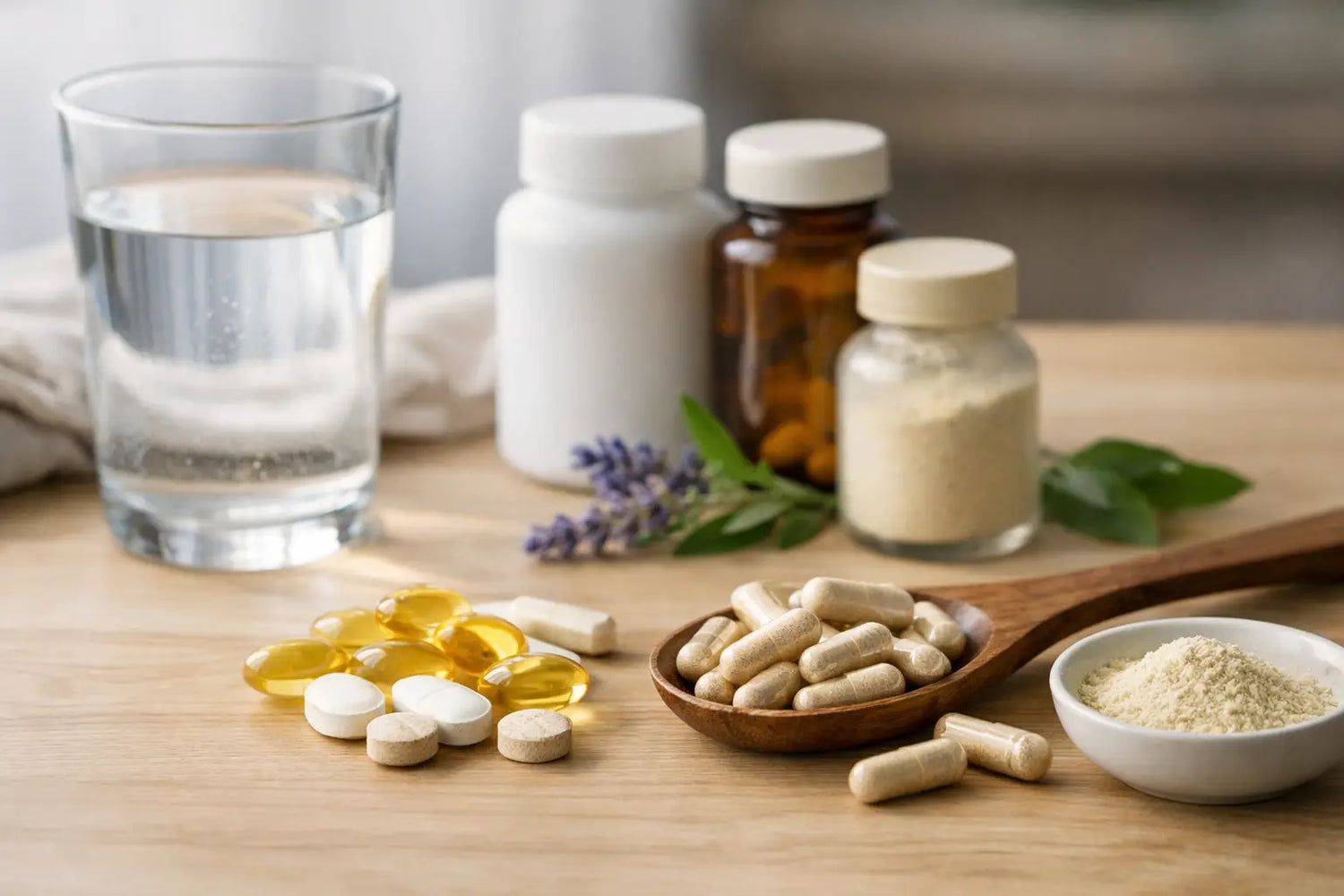
That heavy, flat feeling is not always solved by an earlier bedtime or another coffee. During perimenopause and menopause, fluctuating hormones can affect sleep, mood, muscle recovery and the way your body uses energy. Searching for the best supplements for menopausal fatigue can be a sensible next step, but the right choice depends on what is driving your tiredness.
Fatigue is common in this life stage, yet it deserves care rather than dismissal. A supplement may support a specific nutritional need, sleep quality or stress response, but it cannot replace food, rest or medical advice when symptoms are persistent or severe. Think of supplements as gentle support for your foundation, not a quick fix.
Why menopause can leave you feeling exhausted
Oestrogen does far more than regulate periods. As levels rise and fall, many women notice night sweats, broken sleep, anxiety, low mood, joint discomfort and changes in body composition. Any one of these can leave you depleted. Together, they can make ordinary tasks feel unusually demanding.
There can also be causes that are not directly menopause-related. Heavy or irregular bleeding may contribute to low iron stores. Thyroid changes, low vitamin B12, low vitamin D, depression, sleep apnoea, diabetes and some medicines can all cause fatigue. This is why a new, marked or ongoing tiredness is worth discussing with your GP, particularly if it comes with breathlessness, heart palpitations, dizziness, unintentional weight change, snoring, low mood or very heavy bleeding.
A blood test can help identify deficiencies before you spend money on products that may not suit your needs. It also gives you a clearer, more reassuring path forward.
The best supplements for menopausal fatigue: where to begin
Iron, but only when low iron is confirmed
Iron is essential for carrying oxygen around the body. When iron stores are low, fatigue can feel profound, and you may also notice reduced exercise tolerance, headaches, pale skin or restless legs. Perimenopausal women with heavy periods can be at particular risk.
Iron is not a general energy supplement. Taking it when you do not need it can cause constipation, nausea and abdominal discomfort, and excess iron is not harmless. Ask your GP or pharmacist whether testing your ferritin and iron levels is appropriate. If you are advised to take iron, follow the recommended dose and timing, as it can interact with some medicines.
Vitamin B12 and a considered B-complex
Vitamin B12 supports normal energy metabolism, red blood cell production and nerve function. A deficiency is more likely in women who eat little or no animal food, have digestive conditions that affect absorption, take certain acid-reducing medicines, or use metformin.
B12 is often included in B-complex formulas, which may be useful where dietary intake is inadequate. More is not necessarily better, though. Very high or long-term doses of vitamin B6 can affect nerves, and a B-complex will not correct fatigue caused by poor sleep or low iron. Choose products with sensible doses and seek advice if you take them regularly.
Vitamin D for muscles, mood and general wellbeing
Vitamin D is best known for supporting bone health, a key consideration after menopause. It also plays a role in normal muscle function and immune health. Low vitamin D can be associated with muscle weakness, aches and fatigue, although these symptoms have many possible causes.
Australian sunshine can help the body make vitamin D, but sun exposure is not a simple prescription. Skin cancer prevention still matters, and levels may be lower in winter, with more time indoors, darker skin, ageing skin or regular sun protection. A blood test can clarify whether supplementation is appropriate. If you take vitamin D, select a dose recommended by your healthcare professional rather than assuming a high-dose product is better.
Magnesium when sleep and tension are part of the picture
Magnesium is involved in muscle and nerve function, energy production and relaxation. It has become a popular option for menopausal women whose fatigue follows a night of wakefulness, tense muscles or an overactive mind.
The evidence for magnesium as a direct menopause fatigue treatment is limited, but some women find it a helpful part of an evening routine, particularly when dietary intake is low. Nuts, seeds, legumes, leafy greens and wholegrains also contribute magnesium. Forms such as magnesium glycinate are often chosen for gentleness, while citrate may loosen stools. If you have kidney disease, ask your clinician before supplementing.
Omega-3s for broader wellbeing
Omega-3 fatty acids, found in oily fish and algae-based supplements, are not stimulants. Their value lies in broader cardiovascular health and their role in a nourishing dietary pattern. Some women also choose them to support mood and joint comfort during menopause, though individual results vary.
If fish is not a regular part of your meals, an algae-derived omega-3 is a vegetarian option. Those taking blood-thinning medication, or preparing for surgery, should check with their pharmacist or doctor first.
Creatine for women noticing lower strength and stamina
Creatine is not only for athletes. It helps muscles produce energy during short bursts of activity and may support strength when paired with resistance training. This is relevant in midlife, when changes in hormones and activity can contribute to a gradual loss of muscle mass.
It is unlikely to solve exhaustion caused by insomnia or a nutrient deficiency. However, for women who feel less capable in the gym, on the stairs or carrying the shopping, creatine monohydrate may be worth discussing with a health professional. It can cause a small increase in water weight, which is not fat gain, and adequate hydration is sensible.
Supplements that may sound appealing but need extra care
Herbal menopause blends can be tempting when the label promises energy, calm and hormonal balance in one capsule. Yet blends vary widely, and the evidence for ingredients such as ginseng, maca, black cohosh and ashwagandha is mixed. They may also interact with medicines or be unsuitable for women with liver disease, thyroid conditions, hormone-sensitive cancers or other health concerns.
The word “natural” does not automatically mean risk-free. Choose products with a complete ingredient panel, transparent doses and clear Australian labelling. Avoid proprietary blends that do not tell you how much of each ingredient you are taking. A pharmacist can be especially helpful if you use prescription medicine, have a chronic condition or are considering several supplements at once.
How to choose a supplement without adding to the overwhelm
Start with your main pattern. If fatigue arrives after nights of hot flushes and wakefulness, sleep support and cooling habits may matter more than an energy formula. If you have heavy bleeding, request an iron assessment. If muscle weakness and little sunlight are part of the picture, vitamin D may be more relevant. A focused choice is usually more useful than a cupboard full of half-used bottles.
Introduce one new supplement at a time and give it a reasonable trial, unless your clinician has recommended treatment for a confirmed deficiency. Keep a brief note of your sleep, energy, hot flushes, digestion and mood. This makes it easier to notice whether a product is helping, doing nothing or causing side effects.
Quality matters too. Look for Australian products that state active ingredients and doses clearly, have batch details and are bought from a trusted retailer. Be cautious with dramatic claims such as “cures menopause” or “restores hormones”. Menopause is a natural transition, and thoughtful support should feel realistic, respectful and personalised.
Support your energy beyond the supplement shelf
A supplement works best alongside the basics that fatigue can quietly erode. Eat regular meals that include protein, fibre-rich carbohydrates and healthy fats to support steadier energy. Gentle daily movement can improve sleep and mood, while two or more sessions of resistance exercise each week can help protect bone and muscle strength.
For night sweats, consider a cool bedroom, breathable sleepwear and reducing alcohol close to bedtime. If vaginal dryness or discomfort is interrupting intimacy, sleep or confidence, hormone-free intimate care can be a valuable part of feeling more comfortable in your body. My Health Restore supports women with carefully selected wellness and intimate health options designed for this changing season.
You do not need to push through persistent exhaustion as though it is simply the price of menopause. Start by listening to the pattern, investigate possible deficiencies with your GP, and choose support that meets your body where it is now.