
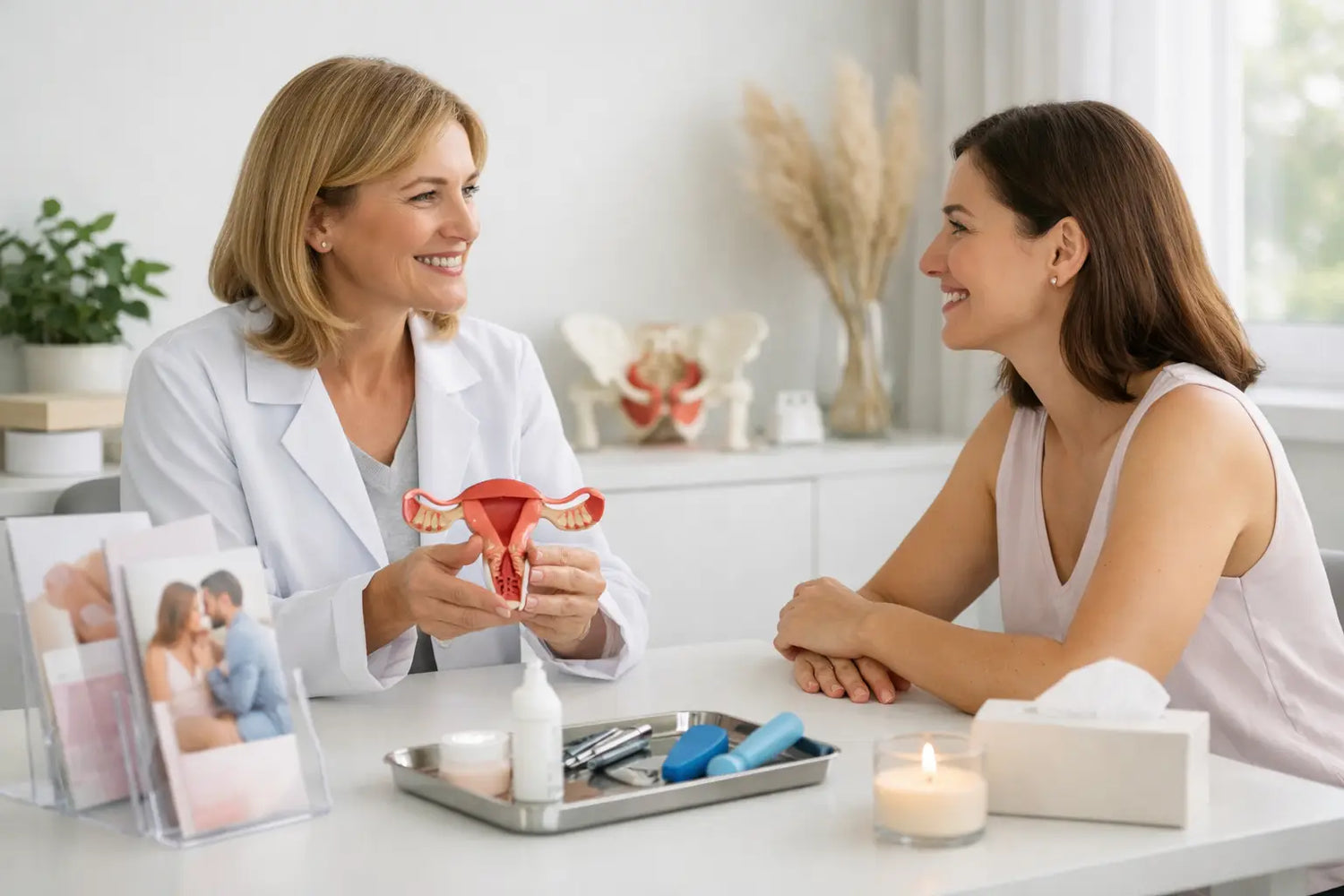
A dry, irritated feeling can make ordinary moments feel surprisingly difficult - from sitting comfortably at work to enjoying exercise, sleep or intimacy. Intimate wellness is about giving this often overlooked part of your health the same thoughtful care you give your skin, energy and emotional wellbeing. There is nothing frivolous or embarrassing about wanting to feel comfortable in your body.
For many women, intimate changes appear gradually. Perimenopause, menopause, breastfeeding, some medications, stress and certain health conditions can all affect vaginal moisture and tissue comfort. Understanding what is happening can replace uncertainty with practical, gentle action.
What intimate wellness really means
Intimate wellness is not about chasing a particular standard of femininity or relying on heavily fragranced products. It is the ongoing care of your vulval and vaginal comfort, tissue health, confidence and sexual wellbeing. It includes noticing changes, choosing products carefully and seeking professional support when symptoms need more than home care.
The vulva is the external genital area, while the vagina is internal. Both have different needs. The vulva generally does best with minimal interference: lukewarm water, a gentle cleanser if needed, and breathable underwear. The vagina has its own natural microbiome and pH balance, so internal washing or douching can disrupt rather than improve its environment.
A good intimate care routine should feel simple, not stressful. If a product stings, causes redness or leaves you feeling less comfortable, it is not the right fit for your body - even if it is marketed as natural.
Why dryness can affect more than intimacy
Vaginal dryness is commonly associated with menopause, when lower oestrogen can make vaginal tissues thinner, less elastic and less able to produce natural lubrication. Some women also notice burning, itching, sensitivity, discomfort during sex or recurrent urinary symptoms. These changes are often described by health professionals as genitourinary syndrome of menopause, or GSM.
Dryness is not limited to midlife. It can occur after childbirth, while breastfeeding, during periods of high stress, with some allergy or antidepressant medicines, or following medical treatment that affects hormones. The cause matters because the most suitable approach depends on your symptoms, health history and stage of life.
Lubricants and vaginal moisturisers serve different purposes. A lubricant is designed to reduce friction during intimacy. A vaginal moisturiser is used more regularly to support day-to-day comfort and hydration. Some women benefit from both, particularly when dryness is persistent. Choose fragrance-free options formulated specifically for intimate use, and follow the directions closely.
For women who prefer non-hormonal care, carefully formulated hormone-free moisturising products and vaginal suppositories may be a welcome part of a comfort-focused routine. My Health Restore offers specialist intimate wellness options designed to support women seeking gentle, considered care alongside broader wellbeing habits.
Gentle habits that support intimate comfort
Small daily choices can reduce unnecessary irritation. Avoid perfumed sprays, deodorants, bubble baths and harsh soaps around the vulva, as these can disturb sensitive skin. Pat dry rather than rubbing after bathing, and change out of damp swimmers or gym clothes promptly.
Breathable cotton underwear may help if you are prone to irritation, particularly overnight or after exercise. Tight synthetic clothing is not automatically harmful, but if you notice heat, chafing or recurring discomfort, looser fabrics and a change of clothing can make a meaningful difference.
Hydration, regular meals and enough rest also support general tissue health, although drinking more water alone will not necessarily resolve vaginal dryness caused by hormonal change. Think of these habits as supportive foundations, rather than a replacement for targeted care when symptoms are ongoing.
A note on sex and comfort
Discomfort during sex is a health concern, not something to push through. More time for arousal, a quality lubricant and clear communication with a partner can help reduce friction. However, pain that continues, worsens or causes you to avoid intimacy deserves attention from a GP or qualified women’s health clinician.
Pleasure and connection can change through different life stages. Taking pressure off performance and focusing on comfort can make space for a more positive experience, whether you are partnered, single, sexually active or not.
Intimate wellness during perimenopause and menopause
Menopause care is often discussed in terms of hot flushes and sleep changes, while vaginal and urinary symptoms are left unspoken. Yet these symptoms are common, treatable and closely connected to quality of life. You do not need to wait until discomfort is severe before raising it with your doctor.
A clinician may discuss lifestyle measures, non-hormonal moisturisers, local hormonal treatment or other options depending on your individual circumstances. Local vaginal oestrogen is different from systemic menopausal hormone therapy and may be appropriate for many women, but it is still important to get personalised medical advice, especially if you have a history of hormone-sensitive cancer or other relevant conditions.
Your concerns deserve to be taken seriously. If you feel dismissed, it is reasonable to ask further questions, request a women’s health-focused GP or seek a second opinion. Feeling informed helps you make decisions that suit your body and preferences.
When to book a health check
Not every intimate symptom is caused by dryness or menopause. Thrush, bacterial vaginosis, skin conditions, sexually transmitted infections and urinary tract infections can have overlapping signs. Self-treating repeatedly without a clear diagnosis may delay the care you actually need.
Book an appointment with a GP or sexual health clinician if you have unusual discharge or odour, persistent itch, sores, pelvic pain, burning when urinating, recurrent urinary symptoms, or pain during sex. Any vaginal bleeding after menopause should be checked promptly. Seek urgent medical care for severe pelvic pain, fever or heavy bleeding.
A consultation can feel personal, but it is routine healthcare. Writing down your symptoms, when they began, what makes them better or worse, and any products or medicines you use can make the conversation easier and more useful.
A more confident approach to intimate care
The most supportive intimate wellness routine is usually the least complicated: protect sensitive skin, use products with a clear purpose, address dryness early and seek advice when something does not feel right. There is no prize for tolerating discomfort in silence.
Caring for intimate health can be a quiet act of restoration - one that supports comfort in your clothes, confidence in close moments and greater ease in everyday life.