
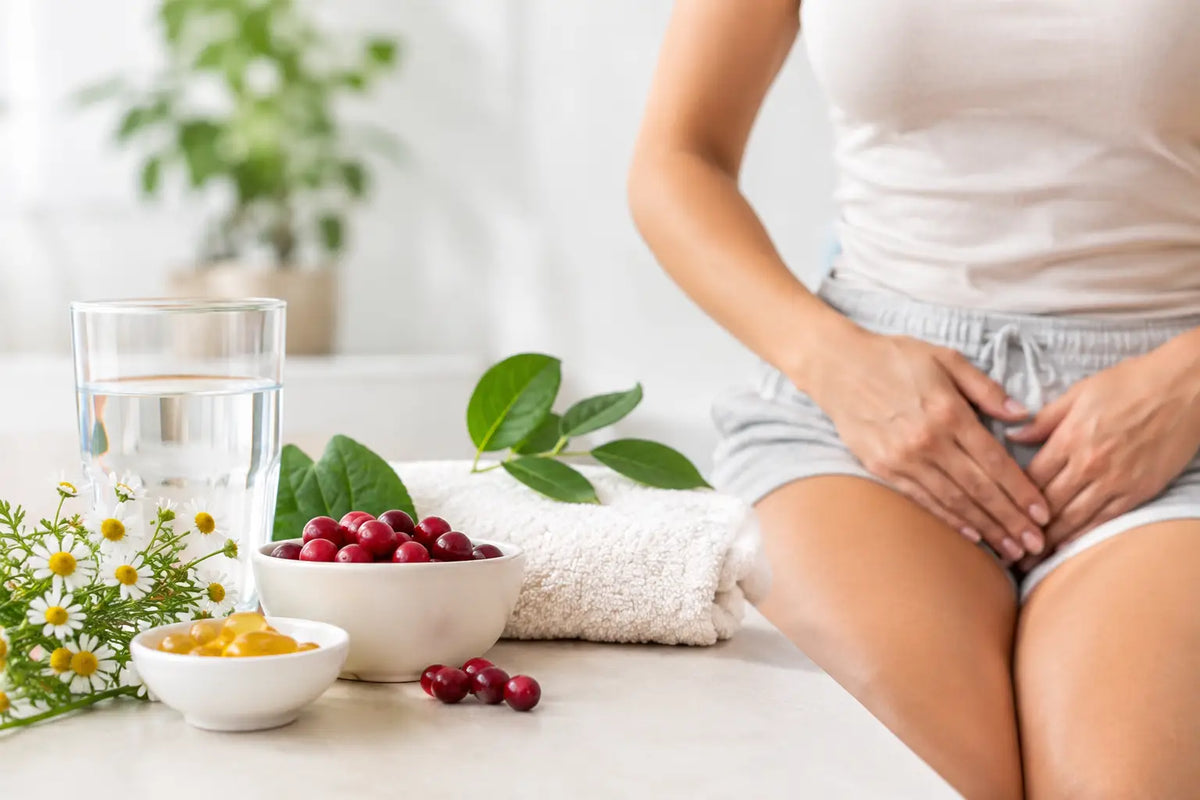
A sudden awareness of dryness when walking, exercising or sitting at your desk can feel surprisingly disruptive. It may also make intimacy less comfortable than it once was. Looking at vaginal moisture support examples can help you choose a gentle next step, without embarrassment or the pressure to simply put up with a common symptom.
Vaginal dryness is particularly common during perimenopause and menopause, when changing oestrogen levels can affect the moisture, elasticity and thickness of vaginal tissue. It can also occur after childbirth, while breastfeeding, during some medical treatments, or in response to certain medicines and fragranced personal-care products. The right support depends on when dryness occurs, how persistent it is and whether other symptoms are present.
Vaginal moisture support examples for everyday comfort
The most useful options generally fall into two categories: products intended for ongoing tissue comfort, and products intended for sexual activity. They may be used at different times, and one is not necessarily a replacement for the other.
Vaginal moisturisers for regular support
A vaginal moisturiser is made to be used routinely, often several times each week, to help maintain moisture in vaginal tissue. Think of it as ongoing care rather than a product reserved for the moment discomfort arises. Some women find regular use helpful when dryness is noticeable throughout the day, rather than only during sex.
Look for a formula designed specifically for internal vaginal use, with clear directions for application. Some products are available as gels, creams or pessary-style suppositories. Hygeena vaginal suppositories are one hormone-free option formulated to support vaginal dryness and tissue comfort, offering discreet care for women who prefer an internal, targeted format.
It is wise to introduce one product at a time. This makes it easier to notice how your body responds, particularly if your skin tends to be sensitive. A little temporary discharge after using an internal moisturising product can be expected depending on its base and when it is applied, so many women prefer to use it before bed and wear a light liner if needed.
Lubricants for intimacy
Lubricant has a different role. It provides temporary slipperiness during sexual activity, reducing friction and helping intimacy feel more comfortable. A lubricant can be useful even if you also use a vaginal moisturiser regularly.
Water-based lubricants are often a straightforward starting point because they are widely compatible with condoms and sex toys, and wash away easily. However, they may need to be reapplied. Silicone-based lubricants often last longer and can suit women who experience significant friction, though they may not be compatible with silicone toys. Oil-based products may damage latex condoms and can be harder to clean, so they are not the best choice in every situation.
Choose fragrance-free options made for intimate use where possible. Products with perfumes, warming agents, flavours or unnecessary additives can be irritating for some people, especially when vaginal tissue is already dry or delicate.
Gentle external care
Vaginal moisture support is not only about what is used internally. The vulva, which is the external genital area, can also feel dry, tight or itchy. A gentle, fragrance-free vulval balm or moisturising product may offer comfort to the external skin when it is specifically labelled for that purpose.
Avoid applying standard body lotions, essential oils or heavily perfumed products to the vulva. Natural does not automatically mean suitable for delicate tissue. The simplest formula that works comfortably for you is often the better choice.
Daily habits that can protect comfort
Products can be valuable, but small adjustments to daily routines may reduce avoidable irritation. This is not about having a perfect intimate-care routine. It is about removing common triggers so sensitive tissue has the chance to feel more settled.
Use lukewarm water to wash the vulva and avoid washing inside the vagina. The vagina is self-cleaning, and douching or internal cleansing can disrupt its natural environment. If you use a cleanser externally, choose one that is mild and fragrance-free, then pat the area dry rather than rubbing.
Breathable cotton underwear and changing out of sweaty activewear or wet bathers promptly can also be helpful. Tight, non-breathable clothing does not cause vaginal dryness, but it can trap heat and moisture against the vulva and make irritation feel worse. If liners are part of your daily routine, consider whether a fragrance-free, breathable option feels more comfortable.
Hydration supports general wellbeing, although drinking more water alone will not restore vaginal moisture when hormonal changes are the main driver. Regular movement, adequate sleep and balanced nutrition can support overall wellbeing through menopause, but they should sit alongside rather than replace targeted care for persistent symptoms.
When dryness is related to menopause
For many women, vaginal dryness becomes more noticeable in the menopausal transition. Lower oestrogen can contribute to vaginal and urinary changes sometimes described as genitourinary syndrome of menopause. Alongside dryness, symptoms may include burning, itching, discomfort during sex, urinary urgency or recurrent urinary tract infections.
Hormone-free moisturisers and lubricants can be a practical first measure and may be enough for mild symptoms. If discomfort is ongoing, a GP, women’s health doctor or specialist can discuss the full range of options, including local vaginal oestrogen and whether it is appropriate for your health history. Local treatment is different from systemic menopausal hormone therapy, so it is worth having an individual conversation rather than making assumptions based on what a friend uses.
Women who have had hormone-sensitive cancer, are taking particular medicines, or have complex health needs should seek tailored medical advice before using hormonal treatments. Hormone-free support may be especially appealing, but persistent symptoms still deserve clinical care.
Finding the option that suits your body
The best approach is often a simple combination: a regular vaginal moisturiser for everyday dryness, a compatible lubricant for intimacy, and gentle external care if the vulva feels irritated. Give a new product enough time to assess it according to its instructions, unless it causes burning, rash, swelling or worsening discomfort. In that case, stop using it.
If you are prone to thrush, bacterial vaginosis or skin conditions such as eczema or lichen sclerosus, self-treatment can be less straightforward. Symptoms may overlap, yet the right treatment is different. A product that supports dryness will not treat an infection, and repeated use of products that sting can make already sensitive tissue more uncomfortable.
When to book a health check
Arrange a consultation if you have bleeding after sex, bleeding after menopause, unusual discharge or odour, pelvic pain, sores, persistent itching, painful urination, recurrent urinary symptoms, or discomfort that does not improve. These signs do not always indicate something serious, but they should not be dismissed as dryness alone.
Intimate comfort is a meaningful part of health, confidence and connection. A gentle, informed routine can make a real difference, and asking for support when something does not feel right is a strong form of self-care.