
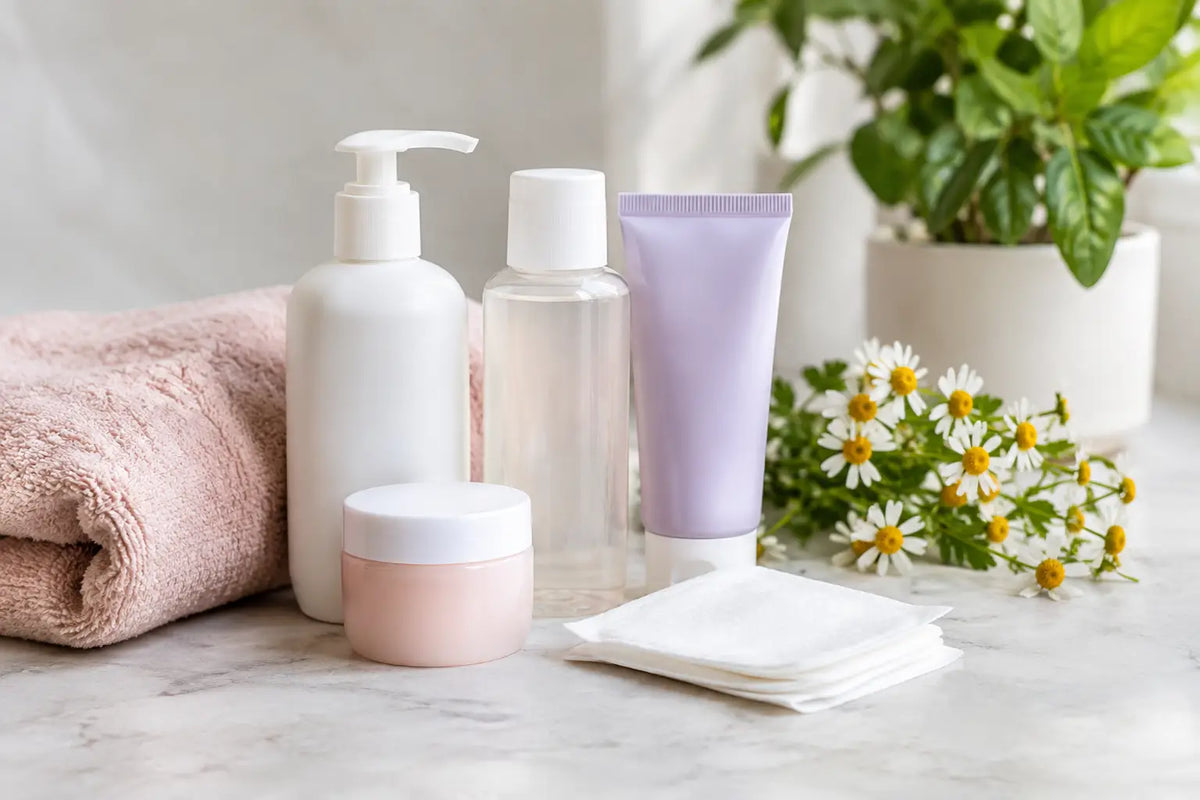
The best vulval care products are not necessarily the ones with the prettiest packaging or the strongest fragrance. For delicate vulval skin, comfort often comes from doing less: choosing gentle, purposeful products, avoiding common irritants and recognising when dryness or soreness needs more than a new wash.
The vulva is the external area around the vaginal opening, including the labia and clitoris. Its skin can be affected by hormonal changes, sweat, friction, shaving, pads, tight clothing and fragranced personal-care products. During perimenopause and menopause, lower oestrogen can also contribute to dryness, itching and tissue sensitivity. A thoughtful routine can help you feel clean, comfortable and more confident in your body.
What to look for in the best vulval care products
Vulval care should support the skin barrier rather than strip it away. Start by looking for products that are fragrance-free or very lightly fragranced, pH-considered where relevant, and made without harsh detergents. A short, understandable ingredient list is often a welcome sign when your skin is feeling reactive.
For external cleansing, plain lukewarm water is enough for many women. If you prefer a cleanser, choose one made for sensitive intimate skin and use it only on the outside of the body. The vagina cleans itself, so internal washes, douches and deodorising sprays are not needed and may disturb its natural balance.
The right product also depends on the concern. Dryness around the labia calls for a different approach from vaginal dryness, while recurrent irritation after exercise may be related to friction, damp clothing or laundry products rather than hygiene. Matching the product to the problem is kinder to your skin and easier on your budget.
A simple vulval care routine that respects sensitive skin
A gentle routine does not need to be complicated. Wash the external vulval area once daily with lukewarm water or a mild, soap-free cleanser. Avoid scrubbing with a washcloth, loofah or exfoliating product, as these can create tiny areas of irritation. Pat dry with a soft towel rather than rubbing.
After showering, an unscented external moisturiser or protective balm may be useful if the skin feels dry, tight or chafed. These products can reduce friction from underwear, activewear or pads. Use only as directed and keep products intended for external skin away from inside the vagina unless they are specifically formulated for vaginal use.
Breathable cotton underwear, changing out of wet swimmers or gym clothes promptly, and avoiding heavily perfumed laundry products can make just as much difference as a new intimate-care product. If daily liners leave you feeling hot, itchy or irritated, consider whether you need them every day, or choose a softer, breathable option and change it regularly.
Choose gentle cleansing over a strong clean feeling
A squeaky-clean feeling is not the goal. Traditional soaps, bubble baths and shower gels can remove protective oils and upset sensitive vulval skin. Products containing strong fragrance, essential oils, colourants or antiseptics may smell fresh, but they can be uncomfortable for some women, especially during hormonal transition.
If you have recently developed irritation, simplify your routine for a week or two. Pause fragranced products, skip bath additives and use only water or a gentle cleanser externally. This can help reveal whether a product is contributing to the problem.
Add moisture where it is actually needed
External moisturisers and barrier balms support the vulval skin, while vaginal moisturisers are designed for internal dryness. Lubricants are different again: they provide short-term slip during intimacy or when friction is expected. Some women benefit from having both a vaginal moisturiser for regular comfort and a lubricant for sex.
For vaginal dryness linked to menopause, hormone-free vaginal suppositories may be a considered option. Products such as Hygeena vaginal suppositories are designed to support vaginal moisture and tissue comfort, rather than simply masking external dryness. Always follow the directions carefully, and speak with your GP, gynaecologist or pharmacist if you are unsure whether a product suits your symptoms or medical history.
Ingredients and product types to approach carefully
Natural does not automatically mean gentle. Essential oils, botanical extracts and heavily scented plant ingredients can still trigger stinging or contact dermatitis on sensitive skin. If you have a history of eczema, allergies or skin reactions, patch testing an external product on a small area first may be sensible.
Be cautious with products marketed as feminine deodorants, cleansing wipes for daily use, detox washes or treatments that promise to alter vaginal odour. A healthy vagina has a natural scent that can change across the menstrual cycle, after sex or during menopause. Trying to cover that scent with perfume can create irritation without addressing the cause.
You may also wish to check the labels of menstrual products. Pads, panty liners and period underwear should feel comfortable against the skin and be changed regularly. If you notice itching or a rash after changing brands, choose fragrance-free options and consider whether adhesives, dyes or prolonged moisture may be involved.
When vulval discomfort needs professional support
Mild dryness or irritation can often settle with a simplified routine, but persistent symptoms deserve attention. Itching, burning and soreness are not always caused by dryness. Thrush, bacterial vaginosis, dermatitis, sexually transmitted infections and inflammatory skin conditions can feel similar at first, yet require different care.
Make an appointment with a health professional if symptoms last more than a few days, keep returning, interfere with sleep or intimacy, or come with unusual discharge, strong odour, bleeding, blisters, sores or pain when urinating. Postmenopausal bleeding should always be assessed promptly.
This is especially relevant if you have been self-treating for thrush repeatedly without lasting relief. Using the wrong treatment can prolong discomfort and make it harder to identify the real cause. A GP or women’s health practitioner can help you find an approach that supports your comfort and protects your vulval health.
Building a routine you can maintain
The most helpful routine is usually the one you can follow consistently without second-guessing every product. Keep your shower care simple, choose soft and breathable fabrics, and introduce only one new product at a time. That way, if your skin reacts, you have a clearer idea of what may be responsible.
Menopause-related dryness can also fluctuate, so reassess your needs as your symptoms change. A product that felt right in summer may not be enough during a dry winter, after swimming, or during a period of increased sensitivity. At My Health Restore, the focus is on giving women discreet, hormone-free options alongside practical education, so intimate care can feel less confusing and more personal.
Comfort is a valuable health signal, not a luxury. Choosing gentle care and asking for support when something does not feel right can help you move through each day with greater ease and confidence.