
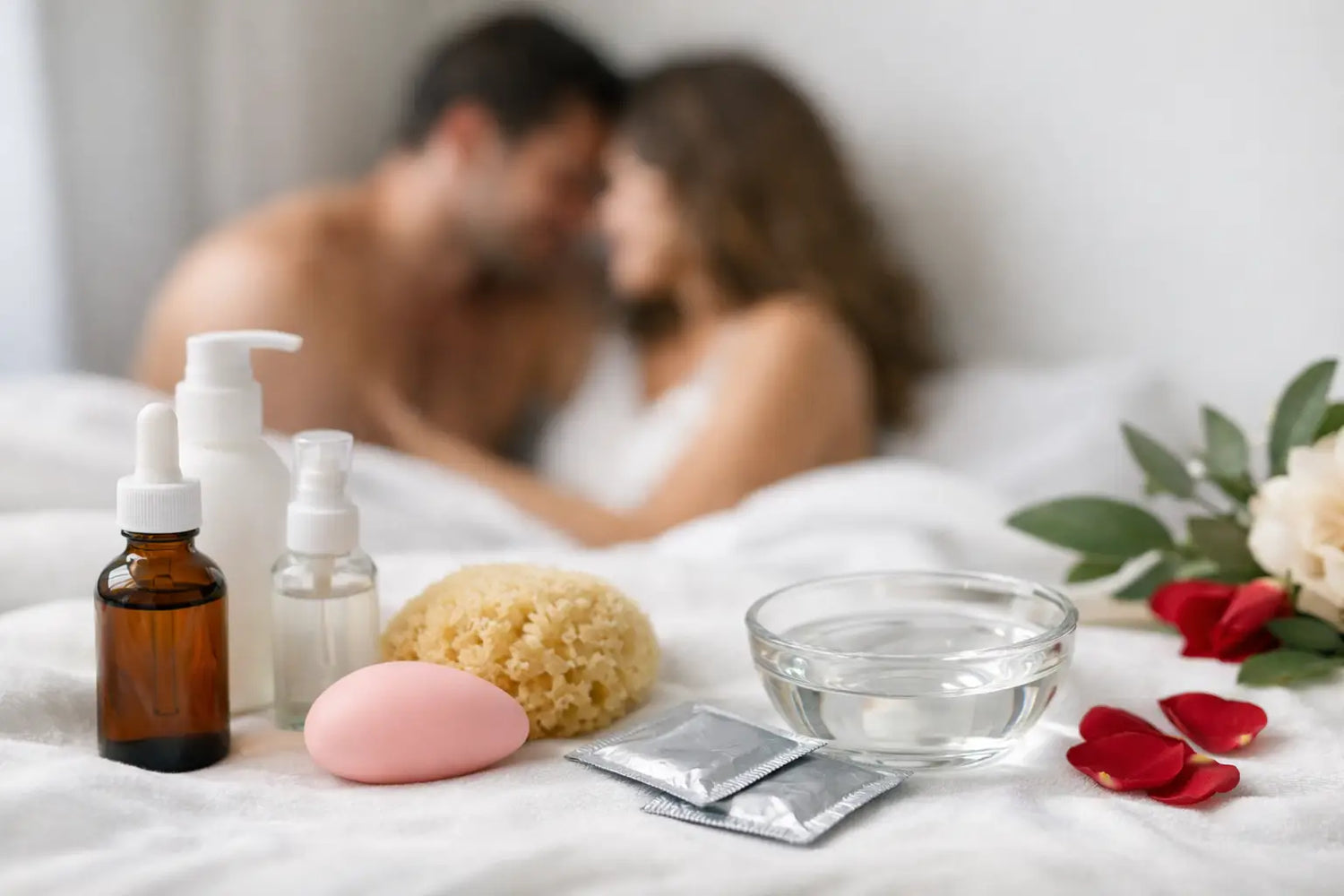
Vaginal dryness can make a simple walk, a workout, sitting at your desk or intimacy feel unexpectedly uncomfortable. For many women, it arrives during perimenopause or menopause, but it can also follow childbirth, breastfeeding, certain medicines, stress or medical treatment. This guide to non-hormonal intimacy support offers practical ways to care for vaginal comfort without hormones, while helping you recognise when personalised medical advice is needed.
There is no need to minimise these changes or simply put up with them. Intimate comfort is part of everyday wellbeing, confidence and connection.
What non-hormonal intimacy support can look like
Non-hormonal support is not one single solution. It is a thoughtful combination of regular moisture support, lubrication when needed, gentle hygiene and attention to the factors that may be aggravating sensitive tissue. The aim is to reduce friction, support the vaginal environment and make daily life and intimacy more comfortable.
For some women, non-hormonal care is a first preference. For others, it may be appropriate when hormonal treatments are not desired, are unsuitable, or need to be discussed carefully with a treating doctor. Your best approach depends on your symptoms, health history and what feels right for your body.
It also helps to understand the difference between a vaginal moisturiser and a lubricant. A moisturising product is generally used routinely to support ongoing comfort and hydration. A lubricant is used at the time of sexual activity to reduce friction. Many women find that using both, for their separate purposes, is more helpful than relying on one alone.
Begin with the symptoms, not the embarrassment
Dryness is only one part of the picture. Hormonal transition can make vaginal and vulval tissue feel thinner, less flexible or more sensitive. You may notice itching, stinging, burning, discomfort during penetration, or urinary symptoms such as urgency and recurrent irritation.
These symptoms deserve care, but they do not always have the same cause. Thrush, bacterial vaginosis, urinary tract infections, skin conditions and sexually transmitted infections can overlap with dryness or irritation. If symptoms are new, persistent, severe, associated with unusual discharge or odour, bleeding, sores, pelvic pain, fever, or pain when urinating, arrange a consultation with your GP or sexual health clinician rather than self-treating.
Postmenopausal bleeding should always be assessed promptly. It is also wise to seek advice before trying a new intimate product if you are pregnant, have recently given birth, are receiving cancer treatment, or have a history of hormone-sensitive cancer.
Choose gentle moisture support for regular comfort
When vaginal tissue feels dry, a non-hormonal vaginal moisturising product may help support hydration and comfort between intimate moments. Products designed specifically for internal vaginal use are preferable to general body lotions, oils or fragranced washes, which can be irritating and are not formulated for this delicate area.
Some women choose vaginal suppositories formulated for dryness and tissue comfort, such as Hygeena vaginal suppositories. Used as directed, this type of targeted support can suit women looking for a hormone-free addition to a regular intimate care routine. Comfort often improves gradually, so consistency matters more than expecting an immediate overnight change.
Individual sensitivity varies. Introduce one new product at a time, follow the label directions and stop use if you develop burning, rash, swelling or increased discomfort. Natural does not automatically mean irritation-free, especially when tissue is already sensitive.
A note on ingredients and compatibility
Check whether a product is intended for vaginal use and whether it works with your preferred barrier protection. Oil-based products, for example, may weaken latex condoms and diaphragms. If condoms are part of your contraception or STI protection, choose a compatible lubricant and read the packaging carefully.
Avoid internal cleansing, douching, deodorant sprays and heavily fragranced intimate products. The vagina is self-cleaning, and disrupting its natural balance can create more irritation rather than less.
Make intimacy more comfortable in the moment
Comfort during sex is rarely just about one product. A little more time, communication and flexibility can make a meaningful difference. Allowing longer for arousal can increase natural lubrication, while a suitable lubricant can reduce friction during penetration.
Water-based lubricants are widely compatible with condoms and sex toys, although some may need reapplication. Silicone-based lubricants can last longer and may be useful when dryness is more pronounced, but they are not always compatible with silicone toys. This is one of those areas where the best choice depends on your preferences and what you use.
It is also completely valid to change the pace, position or type of intimacy. Intimacy does not need to involve penetration to be close, satisfying or connected. If something hurts, pause. Pushing through pain can make the body tense in anticipation of discomfort, which may compound the problem next time.
A clear conversation with a partner can feel vulnerable, particularly if these changes are new. A simple statement such as, “My body needs a little more time and comfort right now,” can replace pressure with teamwork.
Support the skin outside the vagina too
The vulva is external skin, and it benefits from a minimal, gentle approach. Wash the outside area with lukewarm water or a mild, fragrance-free cleanser if needed. Pat dry rather than rubbing, and avoid scrubbing, exfoliating products and perfumed wipes.
Breathable cotton underwear and looser clothing can be helpful if you are prone to irritation. Change out of damp swimwear or exercise clothes promptly. If pads or liners are needed, consider unscented options and change them regularly, as fragrance and prolonged dampness can aggravate sensitive skin.
These small adjustments will not resolve every cause of dryness, but they can remove common sources of irritation and give tissue a calmer environment in which to recover.
Look at the whole wellbeing picture
Vaginal comfort is local, yet it can be influenced by whole-body health. Staying adequately hydrated, eating regularly, sleeping where possible and managing stress all support general wellbeing. None is a standalone cure for vaginal dryness, but each can make it easier to notice patterns in symptoms and respond with care.
Certain medicines can contribute to dryness, including some antihistamines and antidepressants. If you suspect a medicine is affecting your comfort, do not stop it without advice. Your GP or pharmacist can review options and help you weigh benefits against side effects.
Pelvic floor physiotherapy may also be valuable when pain, pelvic tension or fear of penetration is part of the experience. A pelvic health physiotherapist can provide tailored guidance that goes beyond generic exercises. In some cases, relaxation and coordination are more relevant than strengthening.
When non-hormonal support is not enough
Non-hormonal options can be an effective and meaningful part of intimate care, but they are not a test of endurance. If you are using products consistently and still have pain, frequent urinary symptoms, cracking, bleeding or a major impact on your relationships and quality of life, seek clinical support.
A GP, gynaecologist, sexual health doctor or pelvic health physiotherapist can help identify what is happening and discuss the full range of options. Depending on your circumstances, that conversation may include prescription treatments, local hormonal therapies, non-hormonal approaches or referral for further assessment. Informed choice is the goal.
Your intimate health is not an inconvenient side issue of ageing, motherhood or menopause. A gentle routine, suitable hormone-free support and timely professional care can help you feel more at ease in your body - and more able to enjoy closeness on your own terms.