
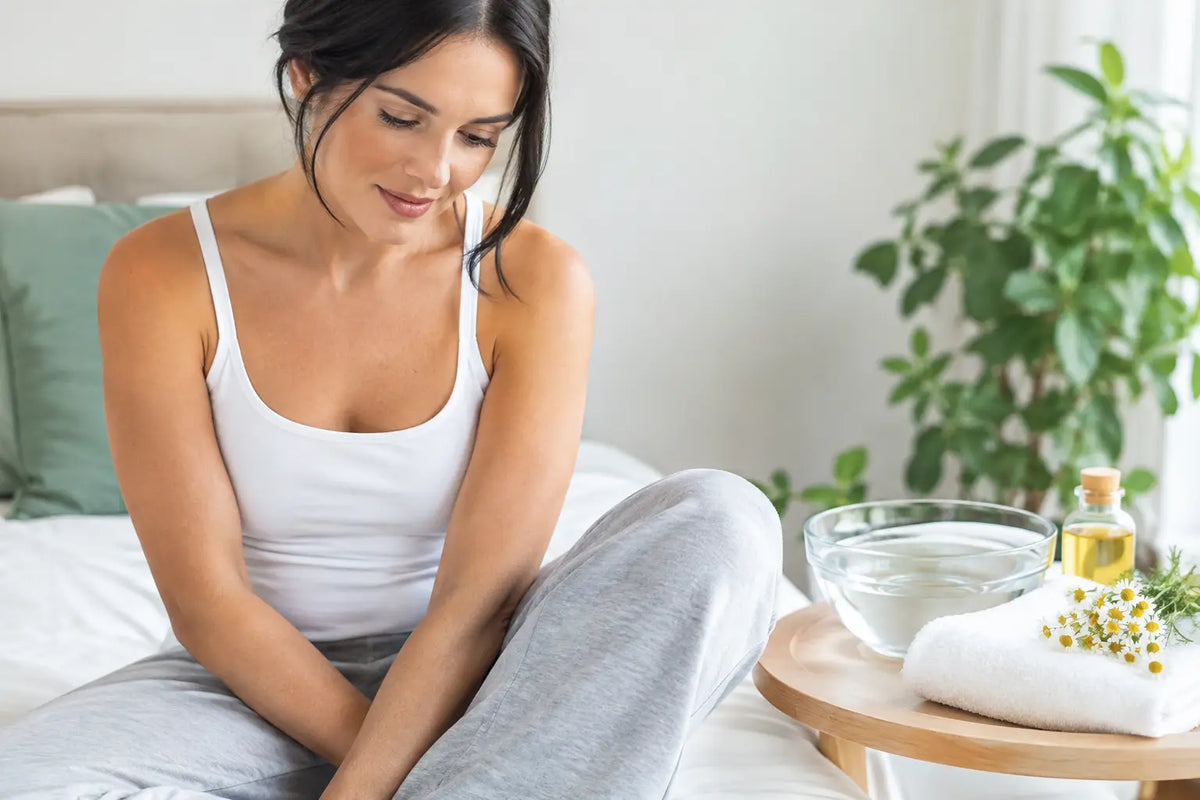
A sore, itchy or stinging vulva can make everyday things - walking, sitting at work, exercise, sleep and intimacy - feel unexpectedly difficult. Learning how to relieve vulval irritation starts with one reassuring truth: this is common, it is not something to feel embarrassed about, and gentle care is usually far more helpful than adding more products.
The vulva is the external genital area, including the labia and opening of the vagina. Its skin is delicate and can react to friction, moisture, soaps, hormonal changes and infections. Because several conditions can feel similar, the aim is to settle discomfort without masking symptoms that deserve medical care.
Start by removing likely irritants
When vulval skin is irritated, less is often more. Pause any new intimate products, fragranced washes or treatments until the area feels comfortable again. Even products labelled natural, gentle or pH-balanced can cause a reaction for some people.
Common triggers include:
- scented soap, shower gel, bubble bath, intimate deodorant and fragranced wipes
- panty liners, pads or toilet paper with fragrance, dyes or certain adhesives
- tight activewear, synthetic underwear, wet bathers and sweaty clothing left on for too long
- laundry detergent, fabric softener or a new topical product
- shaving, waxing, friction during sex or vigorous rubbing when drying after a shower
After bathing, pat dry with a soft towel rather than rubbing. A cool, clean compress held against the outer area for a few minutes can also take the edge off itching or heat. Avoid placing ice directly on the skin.
How to relieve vulval irritation with gentle protection
Once possible triggers are out of the picture, focus on protecting the skin barrier. Choose loose cotton underwear and breathable clothing where possible. At home or overnight, some women find it more comfortable to sleep without underwear or in loose cotton sleepwear, particularly if heat and moisture are aggravating symptoms.
A simple, fragrance-free barrier ointment may help protect the outer vulval skin from rubbing and moisture. This can be especially useful if irritation is worsened by urine, discharge, exercise or pads. Apply a small amount to clean, dry external skin only. Avoid using medicated creams, essential oils or home remedies on the vulva unless a doctor or pharmacist has advised they are suitable.
If sex is uncomfortable, take a break until the area has settled. When you feel ready, a fragrance-free, water-based lubricant can reduce friction. For ongoing dryness, particularly around perimenopause or menopause, a vaginal moisturiser used regularly may offer more lasting comfort than lubricant alone. Internal dryness and external vulval soreness often occur together, but they do not always have the same cause.
Consider whether hormones may be involved
Lower oestrogen during perimenopause, menopause, after childbirth or while breastfeeding can make vaginal and vulval tissues thinner, drier and more easily irritated. You may notice burning, itching, discomfort with penetration, recurrent urinary symptoms or a feeling of dryness that does not improve simply by changing soap.
Hormone-free vaginal moisturising options can be a helpful part of self-care for some women. Products such as Hygeena vaginal suppositories are designed for women seeking non-hormonal support for vaginal dryness, but it is still wise to check with a pharmacist or health professional if symptoms are new, persistent or severe. A product that suits vaginal dryness may not be the right treatment for a skin condition, infection or allergic reaction affecting the vulva.
If menopausal symptoms are affecting your quality of life, speak with your GP about all available options. These may include non-hormonal measures, local vaginal oestrogen or other treatments based on your health history and preferences. You deserve an approach that feels informed and comfortable for you.
Be careful with thrush self-treatment
Thrush is often assumed whenever there is itching, but it is not the only explanation. Thrush can cause intense itch, soreness, redness and sometimes a thick white discharge. However, bacterial vaginosis, sexually transmitted infections, dermatitis, skin conditions and genitourinary syndrome of menopause can all cause symptoms that overlap.
Over-the-counter antifungal treatments may be appropriate if you have had thrush diagnosed before and your current symptoms are clearly the same. If this is your first episode, symptoms keep returning, treatment has not worked, or you are unsure, seek advice before repeating treatment. Using antifungals when thrush is not the cause can further irritate already sensitive tissue and delay the right diagnosis.
The same care applies to steroid creams. A mild steroid may occasionally be recommended for inflammatory skin conditions, but the vulval area needs particular care. Do not use a prescription cream that was intended for another part of your body, and do not continue any medicated cream longer than advised.
When to see a GP or sexual health clinic
Home care is sensible for mild irritation that has an obvious trigger and begins improving within a few days. Arrange a GP appointment, visit a women’s health clinic or contact a sexual health service if symptoms persist, recur or interfere with daily life.
Seek prompt medical advice if you have unusual or strong-smelling discharge, pain when passing urine, pelvic pain, sores, blisters, bleeding not related to your period, marked swelling, fever, or a new lump or change in vulval skin colour or texture. It is also important to be checked if irritation follows a new sexual partner or possible exposure to an STI.
For recurring irritation, your clinician may ask about your cycle, menopause status, medications, diabetes, skin allergies, continence, hygiene routine and sexual health. They may examine the skin and take a swab if needed. This is not overreacting. Getting a clear answer can prevent months of discomfort and unnecessary trial and error.
Small habits that support ongoing comfort
Vulval care does not need to be complicated. Choose unscented period products if you are sensitive, change out of damp clothes promptly, and use a gentle detergent without fabric softener for underwear. If pads or liners are essential, change them regularly and consider trying an unperfumed alternative if irritation seems worse on the days you wear them.
Pay attention to patterns without becoming overly vigilant. A brief note in your phone about symptoms, your menstrual cycle, new products, sex, exercise or medication changes can be useful if irritation returns. It may reveal that the problem is linked to a particular liner, lubricant, laundry product or phase of hormonal change.
Most of all, resist the pressure to tolerate discomfort quietly. Vulval irritation is a health concern, not a personal failing, and calm, informed care can help you feel comfortable in your body again.