Vaginal dryness, irritation or a change in comfort can make ordinary moments feel unexpectedly difficult - from exercise and sleep to intimacy and simply getting through the day. Natural feminine care products can offer a gentler way to support intimate wellbeing, particularly when you want to avoid unnecessary fragrances, harsh cleansers or hormone-based options.
The right choice is not about chasing a perfectly “clean” routine or treating every symptom at home. It is about understanding what your body needs, choosing products with a clear purpose, and knowing when personalised medical advice is the best next step.
What natural feminine care products should do
Natural is a useful starting point, but it is not a guarantee that a product will suit sensitive skin or vaginal tissue. A botanical ingredient can still cause irritation, while a carefully formulated product with a short, considered ingredient list may be a better fit. What matters most is whether the product is appropriate for intimate use, gentle on the area and aligned with your specific concern.
For daily care, this often means protecting the vulva’s delicate skin barrier rather than over-cleansing it. The vagina is self-cleaning, so douching, scented washes and deodorising sprays are rarely helpful. They can interfere with the natural environment of the vagina and may contribute to dryness, stinging or discomfort.
For women experiencing menopause-related changes, postpartum dryness or discomfort during intimacy, a targeted internal moisturising product may be more relevant than an external wash. Vaginal tissue can become thinner, less elastic and drier when oestrogen levels change. This is common, and it deserves practical, respectful care rather than embarrassment.
Choosing natural feminine care products with care
Start with the concern you are trying to address. Pads and liners serve a different purpose from an intimate moisturiser, while a lubricant is designed for temporary comfort during intimacy rather than ongoing tissue support. Products can complement each other, but one product does not need to do every job.
When comparing options, look beyond prominent words such as natural, organic or pure. Read the full ingredient list and product directions. Fragrance-free is usually a sensible choice for sensitive intimate skin, although even natural essential oils can be irritating in this area. Products made specifically for vaginal or vulval use should clearly explain where and how they are intended to be used.
A thoughtful selection process may include checking for:
- Clear instructions for internal, external or menstrual use
- Ingredients suited to sensitive skin and delicate vaginal tissue
- A fragrance-free formula, especially if you are prone to irritation
- Hormone-free options if that is your personal preference or medically appropriate
- Packaging and absorbency that suit your flow, movement and comfort needs
For dryness and changing vaginal tissue
Dryness can show up as itching, burning, tightness, discomfort with penetration or recurring sensitivity. For some women it is occasional, perhaps during periods of stress or breastfeeding. For others, it becomes more persistent through perimenopause and menopause.
A hormone-free vaginal moisturiser or suppository may help support hydration and comfort when used as directed. These products are different from lubricants. A lubricant is generally applied before intimacy to reduce friction in the moment, while a moisturising suppository is intended to provide more sustained support to dry vaginal tissue.
At My Health Restore, Hygeena vaginal suppositories are curated as a natural, hormone-free option for women seeking support for vaginal dryness and tissue comfort. As with any intimate product, follow the label carefully and stop use if you develop burning, swelling, rash or worsening symptoms.
It is also worth recognising the limits of self-care. Persistent pain, bleeding after sex, unusual discharge, strong odour, urinary symptoms or repeated infections deserve assessment by a GP or women’s health professional. Menopause-related vaginal symptoms are treatable, and medical guidance can help you consider the full range of options, including non-hormonal and hormonal treatments where suitable.
For periods and everyday freshness
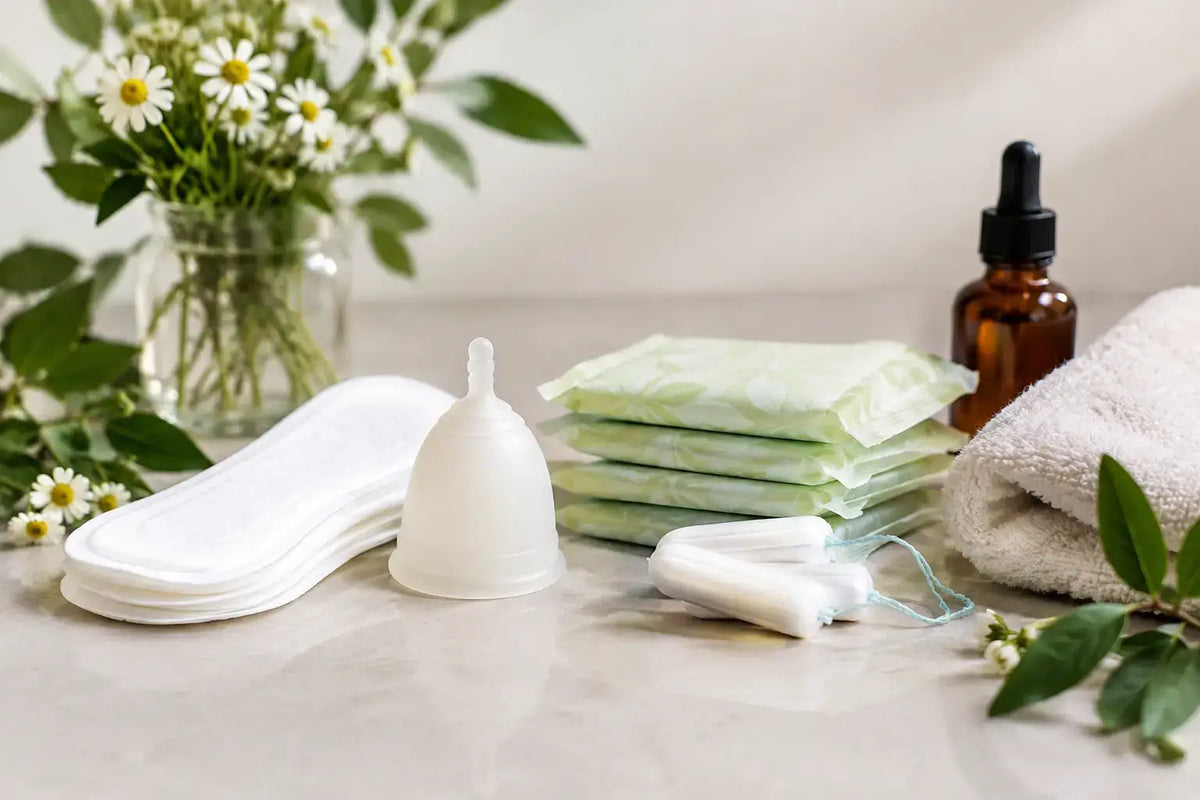
Menstrual products are another meaningful part of feminine care. Pads and liners sit against the vulva for hours at a time, so softness, breathability and low-irritant materials matter. If you notice itching or a rash around your period, consider whether scented pads, a new detergent or prolonged wear may be contributing.
Change pads and liners regularly, choose the absorbency you actually need, and avoid using liners every day unless they are genuinely useful for you. Daily discharge can be normal, and the vulva usually benefits from airflow and minimal interference. A breathable cotton underwear routine and changing out of damp gym clothes promptly can be just as supportive as any product on the bathroom shelf.
“Fresh” should never mean perfumed. A mild scent may seem reassuring, but intimate odour is not something to mask with fragranced products. A sudden or strong change in odour, particularly with discharge, itch or pain, is better discussed with a health professional than covered up.
Building a gentler intimate care routine
An effective routine is often reassuringly simple. Wash the external vulval area with lukewarm water, and if you use a cleanser, choose one made for sensitive skin and use it sparingly. Do not wash inside the vagina. Pat dry rather than rubbing, and avoid tight, non-breathable clothing for long periods when you are already feeling irritated.
If dryness is your concern, use a vaginal moisturising product consistently according to its directions rather than only on the days discomfort becomes intense. For intimacy, add a compatible lubricant if needed. Water-based options are often easy to use and clean away, while other formulations may last longer for some women. Your preference, sensitivity and whether you use condoms will influence what works best.
Supportive habits matter too. Staying hydrated, managing stress where possible, eating nourishing foods and prioritising sleep can support general wellbeing, although they are not a replacement for treating a specific vaginal condition. If symptoms are linked to menopause, open conversations with your GP can be especially valuable. You do not have to wait until discomfort is severe to ask for help.
A note on patch testing and product changes
When trying a new external product, test a small amount on less sensitive skin first and give it time. For products intended for internal vaginal use, use only as directed and avoid combining several new products at once. If irritation occurs, stop the newest product and return to a simple routine while you seek advice if symptoms do not settle.
This measured approach is particularly helpful if you have eczema, allergies, recurrent thrush, lichen sclerosus or a history of sensitive skin. “Natural” can be comforting, but your own response is the most useful guide. The product that supports a friend through menopause may not be the one that feels right for your body.
Comfort is not a luxury or something to put off until later. Choosing feminine care that is gentle, purposeful and suited to your changing needs can be a quiet but powerful form of self-respect.