
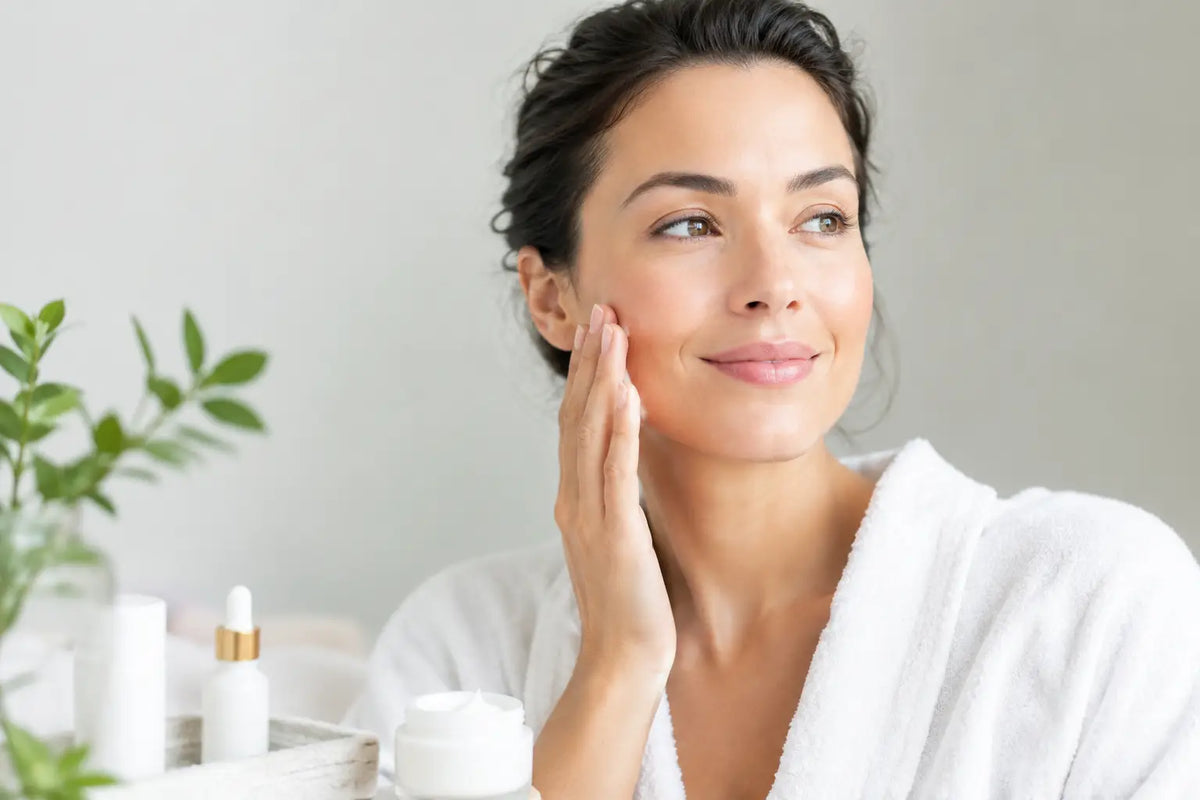
When your skin stings after cleansing, feels tight beneath moisturiser, or suddenly reacts to products it once tolerated, it is often asking for less, not more. Skin barrier restoration is the gentle process of helping the outermost layer of skin return to its protective, comfortable state - particularly useful when dryness, redness and sensitivity have become part of your daily routine.
The skin barrier is not a trend or a beauty buzzword. It is a practical part of skin health, and it can be affected by changing hormones, harsh skincare, weather, stress, medication and certain skin conditions. A considered routine can make a meaningful difference, but it is rarely about finding one miracle product.
What your skin barrier actually does
Your outer skin layer, the stratum corneum, is sometimes described as a brick wall. Skin cells are the bricks, while natural lipids such as ceramides, cholesterol and fatty acids help hold them together. This structure keeps essential moisture in and helps block irritants, allergens and microbes from getting through.
When that structure is disrupted, water escapes more easily. This is called transepidermal water loss. The result may be flaky patches, rough texture, itchiness, sensitivity, redness or a persistently tight feeling. Skin can also look dull because a dehydrated surface does not reflect light evenly.
For many women, hormonal changes add another layer. During perimenopause and menopause, lower oestrogen can contribute to drier, thinner and more reactive skin. That does not mean you must accept discomfort as inevitable. It does mean a once-favourite active routine may need to become gentler and more nourishing.
Signs you may need skin barrier restoration
A weakened barrier can look different from person to person. Some people experience oiliness and breakouts alongside dehydration, while others notice dryness first. The common thread is skin that feels less settled than usual.
You may be dealing with barrier disruption if your face burns when you apply ordinary products, makeup clings to dry areas, or your skin becomes red after washing. New sensitivity to fragrance, persistent roughness around the nose and mouth, and irritation after exfoliating are also common clues.
It is worth separating a compromised barrier from a true allergy or a skin condition such as eczema, rosacea, psoriasis or perioral dermatitis. If symptoms are severe, spreading, painful, crusting, weeping, or not improving with a simplified routine, speak with your GP or dermatologist. Professional care is especially important for sudden rashes or swelling.
Start by doing less, more consistently
The fastest way to derail recovery is to respond to irritated skin with more exfoliation, more masks and more treatment products. A short pause from potentially irritating actives gives your skin room to settle.
For two to four weeks, consider stepping back from scrubs, strong acids, retinoids, peels and fragranced products if they cause stinging. This does not mean these ingredients are always harmful. Retinoids and exfoliating acids can be valuable for concerns such as acne, pigmentation and texture, but timing, frequency and formulation matter. When skin is inflamed, repair comes before intensity.
Keep cleansing gentle. Use lukewarm rather than hot water, avoid rubbing with a face washer, and pat skin dry with a soft towel. If your skin is very dry or sensitive, a mild cream or milk cleanser may feel more comfortable than a foaming formula. In the morning, some people can simply rinse with water, though this depends on your skin type, climate and what you applied the night before.
Build a routine that supports the barrier
A barrier-supportive routine does not need a crowded bathroom shelf. It needs suitable products used often enough to make a difference. After cleansing, apply moisturiser while skin is still slightly damp to help hold water at the surface.
Look for humectants, emollients and occlusives working together. Humectants, including glycerin and hyaluronic acid, attract water. Emollients soften rough skin and support flexibility. Occlusives, such as petrolatum, squalane and certain plant oils, slow moisture loss. Ceramides are particularly helpful because they replenish lipids that naturally form part of the barrier.
For a basic routine, focus on these three daily habits:
- Cleanse gently, usually once in the evening, without leaving your skin squeaky or tight.
- Apply a nourishing, fragrance-free moisturiser morning and night, and reapply to dry areas when needed.
- Wear broad-spectrum SPF 50+ sunscreen each morning, because UV exposure can worsen inflammation, dryness and uneven tone.
Introduce active ingredients with care
Once your skin feels comfortable again, you may choose to reintroduce treatment products. Go slowly. Start with one active ingredient, once or twice a week, and monitor your skin for several days before increasing use.
For example, a retinoid may support smoother texture and visible signs of ageing, but it can cause dryness during the adjustment period. Pair it with a simple moisturiser and avoid using exfoliating acids on the same night at first. Vitamin C can be useful for brightness and antioxidant support, though lower-strength or gentler derivatives may be better tolerated by reactive skin.
More is not better. A routine that your skin tolerates for months is more valuable than an ambitious routine you abandon after a fortnight. If menopause-related dryness is a concern, prioritising hydration and lipid-rich moisturising often feels more beneficial than chasing stronger treatments.
Everyday habits that influence your skin
Skincare is only one part of the picture. Indoor heating, air conditioning, wind, long hot showers and frequent handwashing can all increase dryness. In Australian summers, sun exposure and saltwater can be additional triggers; in cooler months, low humidity may be the bigger issue.
Support your skin by keeping showers brief and warm rather than hot, applying body moisturiser soon afterwards, and wearing protective clothing when gardening, cleaning or spending time outdoors. Choose fragrance-free laundry products if you are prone to body irritation, especially around the chest, underarms or intimate area.
Food, sleep and stress do not replace topical care, but they can influence how your body responds to inflammation and repair. Aim for regular meals with protein, colourful fruit and vegetables, healthy fats and adequate fluids. There is no need for restrictive “skin detoxes”. Your skin generally benefits more from steady nourishment than dramatic changes.
Be gentle with intimate and body skin too
The principles of barrier care apply below the neck, but intimate skin deserves particular caution. The vulva is sensitive and should not be treated like facial skin. Avoid fragranced washes, scrubs, deodorants and active skincare products in this area, as they can disrupt comfort and trigger irritation.
Use gentle external cleansing with water or a suitable mild product, and seek advice for ongoing itching, burning, dryness or discomfort. These symptoms can be linked to menopause, infection, dermatological conditions or other concerns that need the right support. My Health Restore recognises that caring for skin and intimate wellbeing is often interconnected, especially through hormonal transition.
When patience is the most effective treatment
A stressed barrier rarely changes overnight. Mild irritation may improve within days once triggers are removed, while persistent dryness and sensitivity can take several weeks of consistent care. Resist the urge to change products every few days, as this makes it harder to identify what is helping or harming.
Take a simple approach, notice how your skin feels as well as how it looks, and allow comfort to be your guide. Calm, supported skin is not about perfection - it is about creating a routine that helps you feel comfortable and confident in your own skin.