
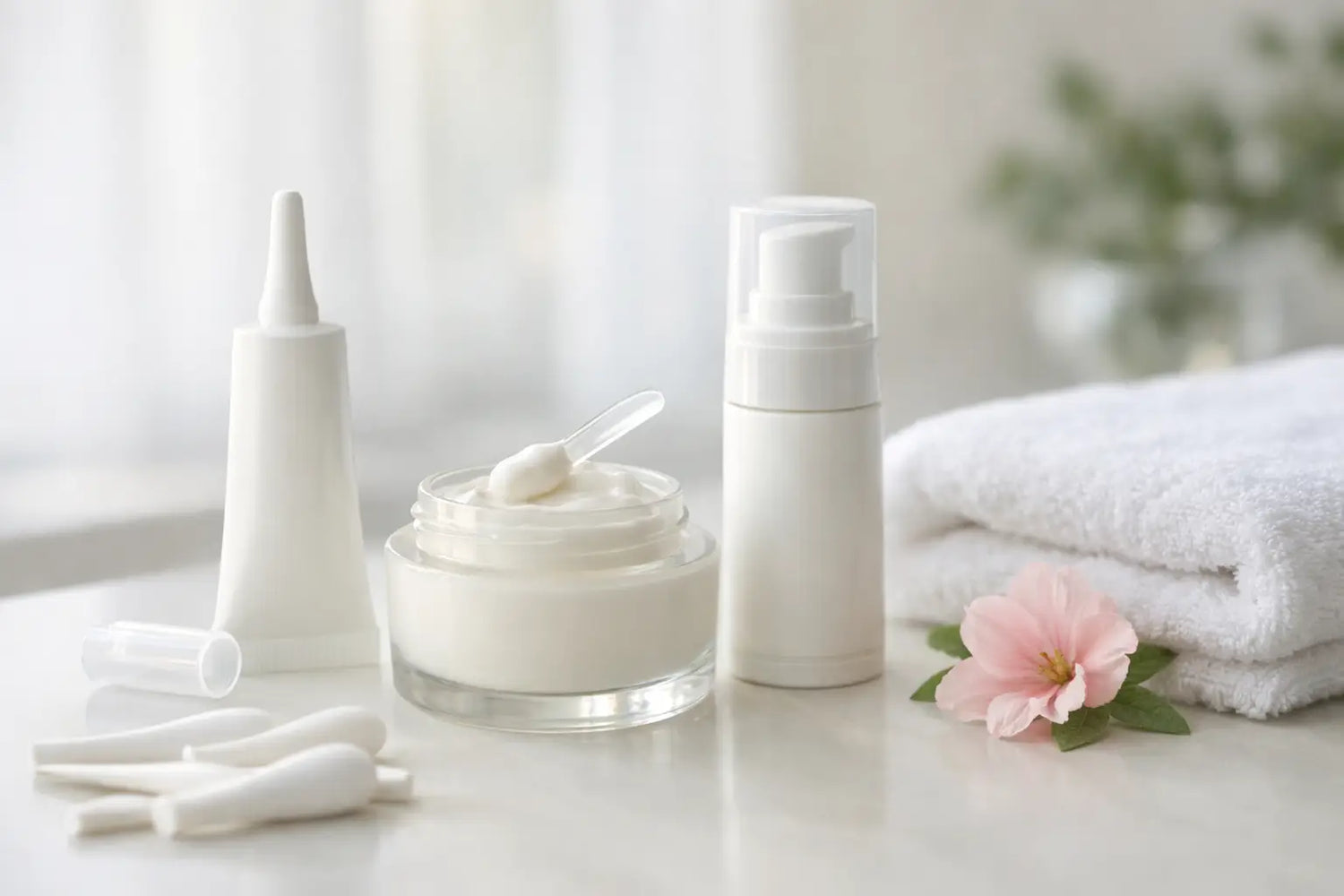
Vaginal dryness can make ordinary moments feel unexpectedly difficult: a walk, exercise, sitting for long periods, wearing close-fitting clothing or intimacy. A useful vaginal moisturiser review guide should do more than promise quick relief. It should help you understand what your body may need, which formula suits the type of discomfort you have, and when symptoms deserve medical advice.
For many Australian women, dryness appears during perimenopause or menopause, when changing oestrogen levels can affect the moisture, elasticity and resilience of vaginal tissue. It may also occur after childbirth, while breastfeeding, during some medical treatments or alongside certain medications. It is common, and it is never something you simply have to put up with.
What a vaginal moisturiser is designed to do
A vaginal moisturiser is made for ongoing hydration of the vaginal tissues. Unlike a lubricant, which is generally used immediately before sexual activity to reduce friction, a moisturiser is used regularly to support comfort between intimate moments too.
The best option is not necessarily the one with the longest ingredient list or the boldest claims. A well-considered product should feel comfortable to use, suit the vaginal environment and fit easily into your routine. Some women prefer a gel or cream, while others find vaginal suppositories more convenient because they are designed to melt and deliver moisture internally.
Results can be gradual. If dryness has been present for some time, it can take consistent use over several weeks to decide whether a product is genuinely helping. A moisturiser should support day-to-day comfort, not create stinging, itching or a new sense of irritation.
Vaginal moisturiser review guide: what to compare
When comparing products, start with the concern you are trying to manage. Mild, occasional dryness may call for a different approach from persistent discomfort associated with menopause-related vaginal changes. Think about whether you need moisture throughout the week, extra support around intimacy, or both.
Ingredients that support gentle hydration
Look for ingredients chosen for moisture retention and tissue comfort, rather than unnecessary fragrance or cosmetic appeal. Hyaluronic acid is often included because it attracts and holds water. Vitamin E, gentle plant oils and soothing botanical ingredients may also be used in some formulas, although natural does not automatically mean suitable for every person.
For sensitive tissue, fewer potential irritants can be preferable. Avoid products with added perfume, strong essential oils, harsh cleansers or ingredients that have previously caused you discomfort. Vaginal tissue is delicate, especially when dryness is linked to hormonal change, so a warming, tingling or heavily scented sensation is not a sign that a product is working.
It is also worth checking whether a product is designed specifically for internal vaginal use. A body lotion, face serum or general-purpose moisturiser is not a substitute, even when the ingredient list appears gentle.
pH and osmolality matter
The vagina has its own naturally acidic environment, supported by beneficial bacteria. A moisturiser formulated with vaginal pH in mind is generally a more thoughtful choice than one created for external skin alone.
You may also see osmolality discussed in intimate-care advice. In simple terms, very high-osmolality products can draw water out of cells rather than supporting hydration, potentially contributing to irritation for some users. Brands do not always display this information clearly, so it should not be the only deciding factor. However, it is one reason to choose specialist intimate products rather than improvising with household or cosmetic products.
Choose a format you will use consistently
Creams and gels can be easy to apply and may offer flexible dosing. They can suit women who want to use a small amount externally as well as internally, depending on product directions. The trade-off is that some formulas can feel messy or require more frequent application.
Suppositories are a discreet, pre-measured option that many women like to use at bedtime. They can be particularly appealing when dryness is felt internally and you prefer a less hands-on routine. As they dissolve, a little discharge is possible, so a thin liner can be practical.
There is no universally superior format. The right one is the formula that feels gentle, provides the support you need and is realistic for you to continue using.
Moisturiser versus lubricant: do you need both?
This distinction can prevent a lot of frustration. A vaginal moisturiser is ongoing care. A lubricant is immediate friction reduction during sex. If intercourse is uncomfortable, a moisturiser used regularly may improve baseline dryness, while a compatible lubricant can add comfort in the moment.
Water-based lubricants are often a straightforward choice, particularly when using condoms. Silicone-based lubricants tend to last longer and may be useful for significant dryness, but compatibility with silicone toys should be checked. Oil-based products can feel nourishing externally for some women, yet they may damage latex condoms and are not always appropriate for internal use.
If a product causes burning or discomfort during sex, stop using it rather than trying to push through. Pain is useful information from your body, not a hurdle to overcome.
A closer look at hormone-free options
Many women specifically seek hormone-free vaginal moisture support, whether because they prefer a non-hormonal approach or have been advised to avoid hormonal treatments. These products can be a valuable part of intimate care, particularly when they contain moisture-binding and soothing ingredients in a vaginally appropriate format.
Hormone-free does not mean ineffective, but it does mean the product works differently from local vaginal oestrogen. Non-hormonal moisturisers aim to hydrate and reduce dryness-related discomfort. Local oestrogen may be recommended by a doctor for some women with genitourinary symptoms of menopause, including more pronounced tissue changes. The most suitable approach depends on your symptoms, health history and preferences.
Hygeena vaginal suppositories are one hormone-free option created to support vaginal dryness and tissue comfort. As with any intimate product, follow the directions carefully and allow a consistent trial period before judging its place in your routine.
How to trial a new vaginal moisturiser thoughtfully
Begin by reading the full directions, including how often to use the product and whether it is intended for internal, external or combined use. It can help to start on a quiet evening, particularly with a suppository or richer formula, so you can notice how your body responds without rushing.
Use only the recommended amount. More product is not always more beneficial, and overapplication can leave you feeling uncomfortable or make it harder to identify whether the formula suits you. Keep a simple note of symptoms over two to four weeks: dryness, itching, burning, discharge, urinary discomfort and comfort during intimacy. This gives you a clearer picture than relying on a single day.
Stop use and seek advice from a GP, women’s health doctor or pharmacist if you notice persistent burning, swelling, rash, unusual discharge or worsening symptoms. These signs can be related to irritation, but they can also point to thrush, bacterial vaginosis, a urinary tract infection, a skin condition or another concern that needs the right treatment.
When dryness needs more than a moisturiser
A moisturiser can be a meaningful part of self-care, but it is not intended to diagnose or treat every cause of vaginal discomfort. Arrange medical care promptly for postmenopausal bleeding, unexplained bleeding after sex, pelvic pain, sores, a new lump, fever, strong odour or recurring urinary symptoms.
It is also wise to speak with your healthcare professional before using new internal products if you are pregnant, undergoing cancer treatment, have a history of hormone-sensitive cancer, are recovering from gynaecological surgery or have ongoing vulval skin conditions. These situations do not automatically rule out moisturisers, but personalised guidance matters.
Your intimate comfort is part of your overall wellbeing, not an optional extra. Choosing a gentle, purpose-made vaginal moisturiser and giving it time can be a quiet, practical way to feel more at ease in your body again.