
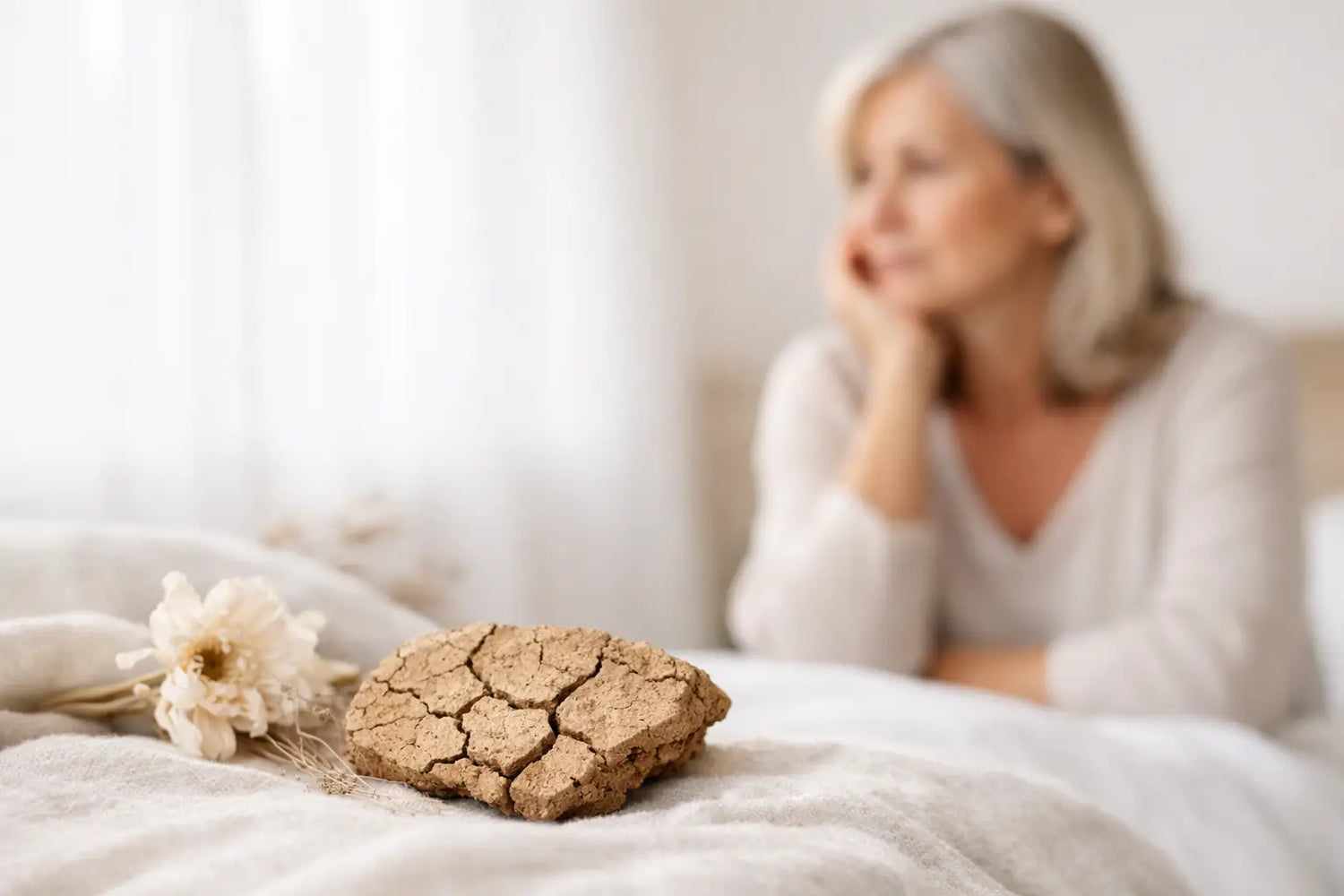
For many women, vaginal dryness does not arrive as a dramatic symptom. It shows up quietly - a sense of tightness, irritation when walking, discomfort during intimacy, or the feeling that something simply is not quite right anymore. If you have been wondering why vaginal dryness happens after menopause, the short answer is that changing hormone levels affect the vaginal tissues in very real, physical ways.
This is common, and it is not a personal failing, a hygiene issue, or something you are meant to just put up with. Menopause changes the whole environment of the vagina and vulva, and understanding those changes can make the experience feel far less confusing.
Why vaginal dryness happens after menopause
The main driver is lower oestrogen. During the reproductive years, oestrogen helps keep vaginal tissues thick, elastic and well-lubricated. It also supports healthy blood flow and helps maintain the natural moisture balance of the vaginal lining.
After menopause, oestrogen levels drop significantly. As a result, the tissues can become thinner, drier and more fragile. Natural lubrication often reduces, and the vaginal walls may lose some of their softness and stretch. This can lead to dryness, burning, itching, sensitivity and pain with sex.
Many women are told this is just a normal part of ageing. It is common, yes, but that does not mean you have to ignore it. Dryness after menopause is usually a sign of tissue change, and those changes often respond well to the right support.
What is changing in the vaginal tissues?
The vagina is not meant to stay exactly the same across every stage of life. It responds to hormonal shifts, just as skin, sleep, mood and energy can. When oestrogen declines, the vaginal lining usually becomes less plump and less resilient.
This process is often linked with vaginal atrophy, now more broadly described as part of genitourinary syndrome of menopause. That term sounds clinical, but it simply refers to the collection of changes that can happen in the vaginal and urinary tissues after menopause.
You may notice dryness on its own, or alongside stinging, recurrent irritation, light bleeding after intercourse, or a greater tendency to develop urinary urgency or discomfort. Some women feel the changes mostly during intimacy. Others feel them throughout the day, especially when wearing fitted clothing, exercising, or after washing with products that are too harsh.
Moisture is about more than lubrication
One of the most misunderstood parts of this issue is the idea that vaginal moisture is only relevant during sex. In reality, moisture plays an everyday protective role. It helps the tissues stay supple, reduces friction, and supports the natural barrier that keeps the area comfortable.
When that moisture declines, the tissue can become more reactive. Even normal activities can start to feel irritating. Sitting for long periods, using toilet paper, cycling, swimming, or wearing synthetic underwear may suddenly feel different. That is why dryness can affect confidence and quality of life well beyond intimacy.
Why symptoms vary from woman to woman
Not every woman experiences menopause in the same way. Some notice only mild dryness, while others develop more significant discomfort. Part of that comes down to hormone levels, but it is not the whole story.
General health, medications, stress, hydration, skin sensitivity, and whether someone is sexually active can all influence symptoms. Certain medicines, including some antihistamines or breast cancer treatments, may worsen dryness. Smoking can also affect blood flow and tissue health. Even products marketed as feminine washes may strip the area and make an already dry environment feel more irritated.
There is also the timing factor. Vaginal dryness can begin during perimenopause, not only after periods have fully stopped. For some women it develops gradually over years, which is one reason it can be easy to dismiss at first.
Why intimacy can become uncomfortable
A drop in natural lubrication is only part of the reason sex may feel painful after menopause. Thinner tissues are also more prone to friction and micro-tears. If the opening feels tighter or less elastic, penetration may become uncomfortable even when arousal is present.
This can create a frustrating cycle. If sex hurts, it is natural to tense up or avoid intimacy, which can then make the area feel even less relaxed and more sensitive. Emotional responses matter here too. Worry, embarrassment and anticipation of pain can all affect comfort.
That does not mean the problem is in your head. It means the body and mind are working together, and both deserve care.
Why vaginal dryness happens after menopause and not before for some women
Some women move through earlier hormonal changes with very few vaginal symptoms, then find that dryness becomes obvious only after menopause. That is usually because the post-menopausal drop in oestrogen is more sustained. The body is no longer cycling in the same way, so the tissues are not getting the same hormonal support they once did.
Before menopause, even if hormone levels fluctuate, there may still be enough oestrogen overall to maintain tissue integrity. After menopause, the lower baseline can make the changes more persistent. In practical terms, that means dryness may stop being occasional and become something you notice regularly.
Natural ways to support comfort and tissue health
The best approach depends on how severe your symptoms are and what feels right for your body. Some women do well with simple daily support. Others need a more targeted plan, particularly if the tissue has become very delicate.
A good place to start is with gentle, non-irritating care. Avoid perfumed washes, soaps and sprays around the vulva and vagina. Choose breathable underwear, and notice whether long hot baths, chlorinated pools or fragranced laundry products make symptoms worse.
Regular vaginal moisturising can help restore comfort over time, especially when dryness is present outside of intimacy. This is different from a lubricant, which is usually used just before sexual activity to reduce friction. Both can be helpful, but they do different jobs.
For women seeking hormone-free support, products designed to hydrate and comfort vaginal tissue may be a practical option. Natural suppositories and other restorative intimate care products can help support moisture balance and reduce that dry, irritated feeling. The key is choosing formulas that are made for this sensitive area and are intended to support tissue health rather than simply mask discomfort for an hour or two.
Lifestyle factors matter as well, although they are not a cure on their own. Staying hydrated, managing stress, prioritising sleep, and supporting overall skin and mucosal health through nutrition can all play a role. Think of it as creating the conditions for better tissue resilience.
When to seek extra support
If dryness is persistent, painful, or affecting your relationships or quality of life, it is worth speaking with a GP, menopause-focused practitioner or women’s health professional. This is especially important if you have bleeding, recurrent urinary symptoms, unusual discharge, or pain that seems to be getting worse.
Sometimes vaginal dryness is straightforwardly linked to menopause. Sometimes there are overlapping issues, such as thrush, dermatitis, pelvic floor tension, or sensitivity to products. Getting the right advice can save a lot of trial and error.
If you are exploring natural options first, it still helps to keep an eye on how your body responds. The goal is not to chase perfection. It is to reduce discomfort, protect tissue health and help you feel like yourself again.
A more reassuring way to think about it
Vaginal dryness after menopause is not your body shutting down. It is your body changing, and changed tissue often needs different support than it did before. With the right care, many women find noticeable relief and a renewed sense of comfort in daily life and intimacy.
At My Health Restore, that perspective matters. Intimate wellness deserves the same thoughtful, informed care as any other part of health. If this symptom has been quietly wearing down your confidence, let it be a prompt for support rather than silence.