
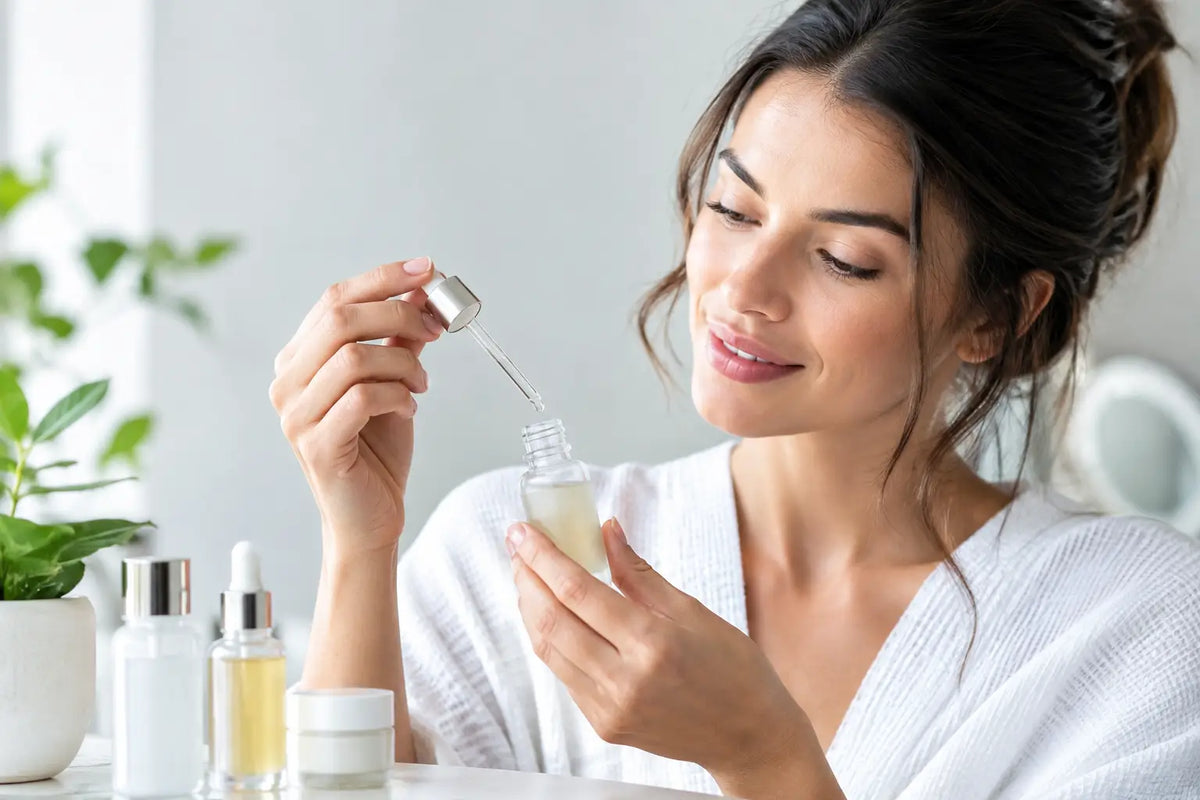
A serum can look beautiful on a bathroom shelf and still be completely wrong for your skin. The most useful skin serum reviews go beyond whether someone loved the texture or noticed a glow after two nights. They help you understand who used the formula, what concern they were treating, how long they used it, and whether their skin is likely to respond in the same way as yours.
For women navigating changing skin through perimenopause, menopause, stress, sun exposure or simply the passing years, that distinction matters. Skin can become drier, more reactive and less even in tone, so a product that works brilliantly for oily, breakout-prone skin may feel uncomfortable or ineffective on a complexion that needs barrier support and nourishment.
How to read skin serum reviews with confidence
Begin by looking for the reviewer’s skin type and primary concern. A meaningful review might say that the person has dry, sensitive skin and used a hydrating serum for six weeks, or that they have pigmentation and introduced a brightening formula slowly. This context is far more valuable than a quick five-star rating with no detail.
Also pay attention to the timeframe. Hydration can make skin feel softer and look more plump almost immediately, while changes in uneven tone, fine lines or firmness tend to be gradual. A review written after one application can be helpful for texture, scent and initial comfort, but it cannot tell you much about lasting results.
The clearest reviews describe both the positive and the less convenient parts of using a serum. Perhaps the formula layered beautifully under sunscreen but required a richer moisturiser at night. Perhaps it gave a visible radiance but needed to be introduced every second evening. Realistic observations like these often signal a more considered experience.
Be cautious with statements that promise dramatic changes overnight or suggest one product suits every complexion. Skin is individual, and a serum is only one part of a routine that may also need gentle cleansing, moisturising, daily sun protection, adequate rest and nourishing food.
Look for the details behind the star rating
A star rating can provide a useful first impression, but it is not the whole story. One person may award five stars because a serum absorbs quickly, while another gives the same score because it eased tightness and flaking during a seasonal change. Neither is wrong, but their priorities may be different from yours.
Read a mixture of recent reviews, longer reviews and lower-rated reviews. Lower ratings are not automatically a reason to avoid a product. They may reveal that the reviewer wanted a very light finish when the serum was designed for dry skin, or that they were sensitive to a particular botanical ingredient. This information can help you decide whether the concern is relevant to you.
Skin serum reviews should match your skin concern
The best serum is not necessarily the one with the most enthusiastic feedback. It is the one whose purpose aligns with what your skin needs now. Hormonal shifts can bring several concerns at once, including dryness, sensitivity, dullness and changes in texture. In that situation, a focused, gentle formula may be more helpful than layering several strong actives at once.
If dehydration and tightness are your main concerns, seek reviews that mention lasting comfort rather than a temporary surface sheen. Helpful comments may describe skin feeling less papery, makeup sitting more smoothly, or fewer dry patches by the end of the day. Ingredients commonly associated with hydration, such as hyaluronic acid, glycerin and supportive lipids, may be worth considering, depending on the full formulation.
For skin that looks dull or uneven, reviews should describe gradual improvement in brightness and clarity over several weeks. Vitamin C, niacinamide and antioxidant-rich formulas are often chosen for this purpose, but strength and formulation matter. A concentrated active can be a poor match for sensitive or compromised skin, even if reviews for it are glowing.
When fine lines and loss of firmness are your priority, look for patient, specific feedback. A serum will not erase natural expression lines, nor should it be expected to. It may, however, support a more hydrated, smoother-looking complexion and complement a routine centred on consistent care.
Consider sensitivity before chasing active ingredients
A formula can be premium, popular and still not suit your skin. Fragrance, essential oils, exfoliating acids and retinoid-style ingredients can be enjoyable or effective for some people, yet trigger stinging, redness or dryness in others. This is especially relevant if your skin has become more reactive during menopause or after a period of over-exfoliation.
Reviews that mention burning, persistent redness, swelling or a rash deserve attention. They do not prove a product is unsafe for everyone, but they are a reminder to read the ingredient list carefully and introduce new skincare thoughtfully. Patch testing can be a sensible precaution, particularly when trying a potent active or a formula containing plant extracts.
If you have a diagnosed skin condition, significant irritation, changing pigmentation or a wound that will not heal, seek advice from a qualified health professional. Skincare can be a supportive ritual, but it is not a substitute for individual medical care.
What reviews cannot tell you
Even detailed reviews cannot show how a serum will interact with the rest of your routine. A product may pill because it was applied over too many layers, or feel greasy because it was paired with a rich cream in humid weather. It may also perform differently in a dry, air-conditioned office than it does during an Australian summer.
Reviews rarely account for sunscreen use either. If your goal is to improve the appearance of sun-related unevenness or protect the benefits of an antioxidant serum, daily broad-spectrum SPF is central to the picture. Without it, results may be slower and new visible sun damage may continue to develop.
There is also the question of expectations. A serum can support hydration, luminosity and skin comfort, but it cannot change your genetics, replace professional treatment where appropriate, or make healthy ageing something to correct. The most satisfying skincare choices tend to come from caring for the skin you have, rather than pursuing a filtered version of it.
A calmer way to trial a new serum
Once reviews have helped you narrow your options, give one new serum a fair trial. Introduce it gradually and keep the rest of your routine simple for the first couple of weeks. This makes it easier to notice whether your skin feels calmer, more hydrated or more irritated.
Use the amount directed, rather than assuming more will create faster results. Apply on clean skin, then follow with moisturiser if your skin needs it. Morning use should generally be followed by sunscreen. For active formulas, begin less frequently if the directions allow and observe how your complexion responds.
Keep a small note on your mobile if you are trialling a product for a particular concern. Record how your skin feels after application, whether dryness or sensitivity changes, and how it looks after four to eight weeks. This is often more reliable than relying on memory, especially when skin changes with weather, sleep, stress and hormonal fluctuations.
At My Health Restore, we believe skincare should feel like considered care rather than another source of pressure. Choose reviews for the useful clues they offer, then let your own skin, comfort and consistency guide the final decision. A serum that supports your complexion quietly and reliably can become a meaningful part of your daily restoration ritual.